
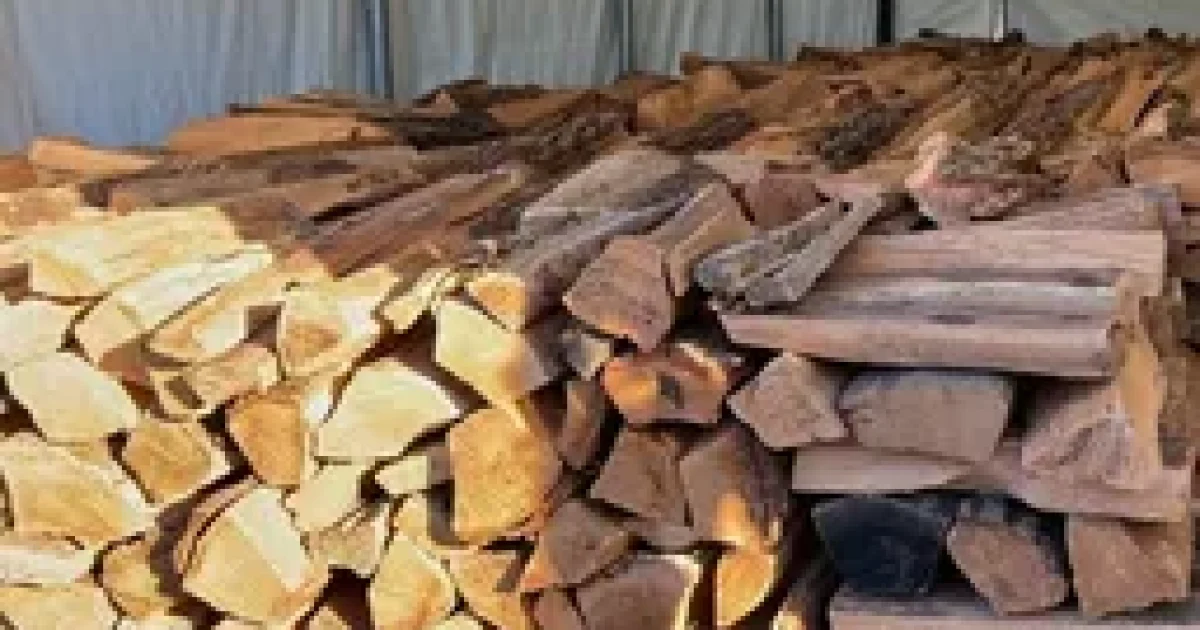
Getting a delivery of firewood ready for winter is a good start, but where and how you store it makes a real difference. Even seasoned firewood can absorb moisture if it is left on wet ground, exposed to rain or stacked without enough airflow.
If you have recently ordered firewood in Whanganui, a few simple storage practices will help protect your supply, maintain good burning quality, and make it easier to access when you need it.
In this guide, we explain how to store delivered firewood properly, where to stack it, how to protect it from rain and what to avoid when storing your next delivery.
Choose a Dry, Well-Ventilated Storage Location
The best place to store delivered firewood is somewhere that allows air to circulate while providing protection from excessive rain.
A sunny, open area with good airflow is often a practical choice. If possible, position your woodpile where it can benefit from sunlight and prevailing breezes without being constantly exposed to driving rain.
A few things to consider when choosing your storage location:
- Good airflow: Choose an open area rather than a tightly enclosed space.
- Sunlight: A spot that receives sunlight can help the surface of the wood dry.
- Drainage: Avoid low-lying areas where rainwater collects.
- Convenience: Keep your firewood reasonably close to the house while maintaining a safe distance from buildings and ignition sources.
For homes in Whanganui, where damp weather and rainfall can affect outdoor storage, choosing the right location is particularly important. Store Delivered Firewood.
Keep Store Delivered Firewood Off the Ground
One of the simplest ways to keep firewood dry is to prevent direct contact with the ground.
Soil and grass can hold moisture, especially after rain. When logs sit directly on wet ground, they can absorb moisture from below and become more vulnerable to mould and decay.
Use a raised rack, sturdy pallets or another suitable support to lift your firewood above the ground. Make sure the base is stable, level and capable of supporting the weight of the stack.
Raising the woodpile also improves airflow underneath, helping moisture escape instead of becoming trapped around the bottom logs.
Tip: Check the ground beneath your stack after heavy rain. If water collects there, consider moving the woodpile to a better-drained location.
Cover the Top, but Leave the Sides Open
Rain protection is important, but covering an entire woodpile with an airtight or tightly wrapped sheet can create another problem: trapped moisture.
The best approach is to protect the top of the stack while leaving the sides open for ventilation.
You can use a purpose-built Store Delivered Firewood cover, a simple roof or a securely positioned waterproof sheet. Make sure the cover extends far enough to direct rain away from the wood without restricting airflow.
Follow these guidelines:
- Cover the top to protect against rain.
- Leave the sides open so air can circulate.
- Avoid wrapping the entire stack in plastic.
- Secure the cover against wind without pressing it tightly against the logs.
- Check periodically for condensation, damp patches or mould.
A roofed wood store with open sides is a useful long-term option because it offers shelter while allowing the firewood to breathe.
Stack Store Delivered Firewood Properly for Better Airflow
How you stack your firewood can affect how well it dries and how easy it is to access.
Stack logs in neat, stable rows rather than throwing them into a large heap. Leave small gaps between pieces where practical, and avoid packing the stack so tightly that air cannot move through it.
Here are some useful firewood stacking tips. Store Delivered Firewood:
- Place the largest and heaviest logs at the bottom.
- Keep the stack stable and avoid excessive height.
- Leave space between rows or stacks to encourage airflow.
- Avoid stacking wood directly against house walls, fences or other structures.
- Keep the area around the stack clear of leaves and other debris.
If you are stacking a large delivery, consider dividing it into manageable sections. This makes it easier to rotate your supply and identify which logs are ready to burn.
Always build on a firm, level base, and avoid tall or unstable stacks that could fall over.
Make Sure Your Firewood Is Properly Seasoned
Good storage helps maintain firewood quality, but it cannot instantly turn freshly cut wood into seasoned firewood.
Seasoned firewood has had enough time to lose much of its excess moisture. Properly dried wood generally lights more easily, burns more efficiently, and produces less smoke than wet wood.
For the best results, look for these signs:
- Cracks may appear at the ends of the logs.
- The wood may feel lighter than freshly cut timber.
- The bark may loosen or separate.
- The ends may look dry rather than freshly cut and damp.
These signs can be helpful, but they are not definitive. A moisture meter provides a more reliable measurement. For most firewood, a moisture content of around 20% or less is a useful target for burning Store Delivered Firewood.
Remember that different wood species, log sizes and drying conditions affect how long seasoning takes. Storing freshly delivered wood correctly is important, but the time needed to dry it will vary.
When ordering firewood, ask about its seasoning and moisture condition so you can choose a supply that suits your needs.
Protect Your Store Delivered Firewood During Whanganui’s Wet Weather
Outdoor firewood storage requires a little extra attention when the weather is wet.
In Whanganui, repeated rainfall can wet exposed logs and create damp conditions around a poorly ventilated woodpile. Good storage habits help reduce these problems throughout the year.
To protect your supply, Store Delivered Firewood:
- Check your cover after strong winds or heavy rain.
- Remove fallen leaves and debris from around the stack.
- Make sure the base remains above standing water.
- Inspect the bottom rows regularly for signs of dampness.
- Keep the sides open rather than sealing the pile with plastic.
- Bring a small amount of firewood indoors before you need it, allowing it to reach room temperature in a suitable, dry location. Store Delivered Firewood.
Avoid storing large quantities of firewood inside living areas. Wood can introduce insects and debris, and indoor storage near heaters, fireplaces or other ignition sources can create a fire hazard. Keep your main supply outdoors and follow the clearance requirements for your fireplace or wood burner.
Rotate Your Store Delivered Firewood Supply
If you regularly receive firewood deliveries, organising your stack will make it easier to manage your supply.
Use older, properly seasoned wood first and place newer deliveries in a separate section. This helps you keep track of what is ready to burn and prevents newer wood from being mixed indiscriminately with your existing supply.
A simple rotation system can work well:
- Keep older, ready-to-burn firewood at the front.
- Stack newer deliveries behind or in a separate section.
- Label sections with the delivery month if you store large quantities.
- Check the moisture content of wood before burning.
This is particularly useful if you buy firewood ahead of winter or maintain a supply throughout the year.
Common Store Delivered Firewood Storage Mistakes to Avoid
Even a good-quality delivery can deteriorate if it is stored incorrectly. Avoid these common mistakes to protect your firewood.
Leaving logs directly on grass or soil: Ground moisture can make the bottom of the pile damp. Raise the stack on a suitable support.
Wrapping the whole pile in plastic: This can restrict ventilation and trap condensation. Cover the top and leave the sides open.
Stacking wood in a closed shed without ventilation: Poor airflow can slow drying and encourage mould. Choose an open-sided store or provide adequate ventilation.
Placing firewood against the house: This can create moisture, pest and fire-safety concerns. Maintain appropriate clearance from buildings.
Assuming delivered wood is automatically dry enough to burn: Delivery does not guarantee a particular moisture content. Check whether the wood is seasoned and measure moisture when possible.
Ignoring the base of the stack: The bottom logs are often the first to be affected by damp ground and poor drainage. Inspect them regularly.
Avoiding these mistakes will help you maintain a cleaner, more usable firewood supply.
Ordering Firewood? Think About Storage Before Delivery
Before arranging your next firewood delivery, it is worth deciding where the wood will go.
Measure the available space, prepare a raised base and make sure there is enough room to stack the delivery without blocking access or restricting airflow. If you are ordering a larger quantity, plan how you will divide and cover the supply before it arrives.
Choosing suitable firewood is just as important as storing it properly. Ask your supplier about the wood type, log size, seasoning and expected moisture condition so you can make an informed decision.
If you need firewood for your home in Whanganui, a suitable delivery can save you the effort of sourcing and transporting the wood yourself.
[Explore our firewood delivery service] and get in touch to discuss your requirements, available options and delivery arrangements.
Frequently Asked Questions
What is the best way to store firewood outdoors?
Store firewood on a raised, well-drained base in a location with good airflow. Cover the top to protect it from rain while leaving the sides open to help moisture escape.
Should firewood be covered all the time?
The top should generally remain protected from rain, especially during wet weather. However, the sides should remain open to allow ventilation. Avoid completely wrapping the stack in plastic.
How far off the ground should firewood be stored?
Raise firewood enough to keep the logs clear of soil, grass and standing water. A stable rack or suitable pallets can provide a practical base, provided they support the stack safely.
How can I tell if my firewood is dry enough to burn?
Dry, seasoned wood may have cracked ends, loosened bark, and a lighter feel. However, a moisture meter is more reliable. Aim for around 20% moisture content or less for most firewood.
Can I store firewood in a garage or shed?
Yes, provided the space is dry, well ventilated, and suitable for the quantity stored. Avoid damp, sealed spaces with poor airflow, and keep firewood away from ignition sources and living areas.
Where can I get Store Delivered Firewood in Whanganui?
Contact a local firewood delivery provider to ask about available wood types, seasoning, quantities and delivery arrangements. Confirm the condition of the wood and prepare a dry, accessible storage area before delivery.
Keep Your Firewood Dry from Delivery to Burning
Store Delivered Firewood properly does not need to be complicated. Keep it off the ground, protect the top from rain, allow plenty of airflow and organise your supply so you can use seasoned logs first.
With the right setup, you can protect your firewood from unnecessary moisture and make better use of every delivery.
Planning your next supply? Visit our Firewood Delivery page to enquire about available options and arrange delivery in Whanganui.