
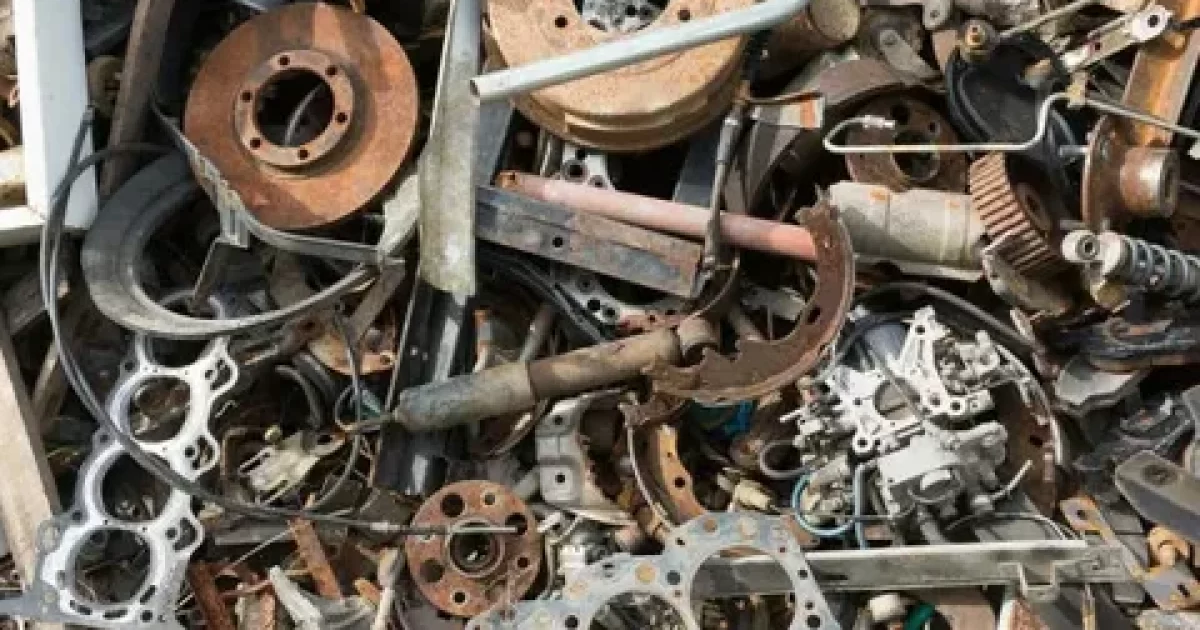
Scrap metal recycling has become more than just an environmental practice—it’s now a practical way to conserve resources, reduce waste, and even generate income. Whether you’re a homeowner clearing out unused items, a contractor handling construction waste, or someone looking to start a small business, understanding how metal recycling works can open up valuable opportunities.
This guide explores why it matters, how the process works, and how you can benefit financially—without overcomplicating things.
The Growing Importance of Scrap Metal Recycling
Scrap metal is one of the few materials that can be recycled repeatedly without losing its properties. That alone makes it incredibly valuable in today’s resource-conscious world. As industries expand and natural resources become harder to extract, recycling offers a smarter alternative.
Environmental Impact
Mining raw metal consumes large amounts of energy and causes significant environmental damage. Recycling, on the other hand, reduces:
- Air and water pollution
- Greenhouse gas emissions
- Land degradation from mining
Recycling aluminium, for example, uses up to 95% less energy than producing it from raw ore. That’s not just efficient—it’s essential for sustainability.
Reducing Landfill Waste
Scrap metal often ends up in landfills, where it takes years to break down. By recycling it, we reduce landfill pressure and free up space for non-recyclable waste.
Conserving Natural Resources
Every piece of recycled metal reduces the need for new mining. This helps preserve limited natural resources like iron ore, copper, and bauxite.
Types of Scrap Metal You Should Know
Understanding different types of scrap metal helps you sort materials properly and maximise value.
Ferrous Metals
These contain iron and are magnetic. Common examples include:
- Steel
- Cast iron
- Wrought iron
They are widely used in construction and manufacturing but typically have lower resale value compared to non-ferrous metals.
Non-Ferrous Metals
These do not contain iron and are usually more valuable.
Common Non-Ferrous Metals
- Copper
- Aluminum
- Brass
- Lead
- Zinc
Copper is especially valuable due to its demand in electrical applications, while aluminium is lightweight and widely recyclable.
Electronic Scrap (E-Waste)
Old electronics contain small amounts of valuable metals like gold, silver, and copper. Recycling these properly not only recovers value but also prevents toxic substances from harming the environment.
The Scrap Metal Recycling Process
Recycling metal is more structured than simply collecting and selling it. Understanding the process helps you see where value is added.
Collection and Sorting
The first step involves gathering scrap from various sources:
- Households
- Industrial sites
- Construction projects
Sorting is crucial. Separating metals by type increases their value and simplifies processing.
Processing and Preparation
Once sorted, metals are cleaned and prepared. This may involve:
- Removing coatings or insulation
- Cutting large pieces into smaller sizes
- Compressing materials for transport
Proper preparation can significantly affect pricing.
Shredding and Melting
Scrap metal is then shredded into smaller pieces to speed up melting. After that, it is melted in large furnaces designed for specific metal types.
Purification and Solidification
The molten metal is purified to remove impurities. It is then cooled and formed into bars, sheets, or other shapes for reuse in manufacturing.
Economic Benefits: Turning Scrap into Profit
One of the biggest reasons people get involved in scrap metal recycling is the financial opportunity.
How Scrap Metal Generates Income
Scrap yards pay based on:
- Metal type
- Weight
- Market demand
Non-ferrous metals typically fetch higher prices, especially copper and brass.
Factors That Affect Scrap Metal Prices
Prices fluctuate due to:
- Global demand
- Industrial production levels
- Fuel and transportation costs
- Currency exchange rates
Keeping an eye on market trends helps you sell at the right time.
Small-Scale Income Opportunities
Even individuals can make money by collecting scrap metal from:
- Old appliances
- Renovation projects
- Discarded wiring and pipes
With consistent effort, this can become a reliable side income.
Starting a Scrap Metal Recycling Business
For those looking to go beyond casual selling, starting a recycling business can be a profitable venture.
Initial Requirements
You don’t need a massive investment to get started, but you will need:
- Basic tools (gloves, cutters, magnets)
- Storage space
- Transportation (pickup truck or van)
Sourcing Scrap Metal
Reliable sources include:
- Construction sites
- Workshops
- Factories
- Local communities
Building relationships with suppliers ensures a steady flow of material.
Legal and Safety Considerations
Before starting, check local regulations regarding:
- Licensing
- Environmental compliance
- Worker safety
Handling metal safely is crucial to avoid injuries.
Best Practices for Maximizing Profit
Making money from scrap metal isn’t just about collecting—it’s about strategy.
Sort Your Metal Properly
Mixed metals often get lower prices. Separating copper, aluminium, and steel can significantly increase earnings.
Clean Your Scrap
Removing plastic, rubber, or other attachments can improve value. Clean metal is easier to process and more desirable to buyers.
Know the Market
Prices change frequently. Selling when demand is high can make a noticeable difference in profit.
Build Relationships with Scrap Yards
Regular sellers often get better rates and quicker service. Trust and consistency go a long way.
Common Mistakes to Avoid
Even experienced recyclers can lose money by overlooking simple details.
Not Identifying Metal Correctly
Misidentifying metals can lead to lower payouts. Learning basic identification techniques is essential.
Ignoring Small Quantities
Small amounts may seem insignificant, but they add up over time—especially with high-value metals.
Overlooking Safety
Sharp edges, heavy loads, and hazardous materials can pose risks. Always prioritize safety gear and proper handling.
The Role of Scrap Metal in a Circular Economy
Recycling plays a key role in creating a circular economy—where materials are reused instead of discarded.
Reducing Industrial Waste
Manufacturers increasingly rely on recycled metal to reduce costs and environmental impact.
Supporting Sustainable Development
Recycling aligns with global efforts to promote sustainability and responsible consumption.
Creating Jobs and Opportunities
The recycling industry supports employment across collection, processing, and manufacturing sectors.
Future Trends in Scrap Metal Recycling
The industry continues to evolve with technology and demand.
Automation and Advanced Sorting
Modern facilities use sensors and AI to sort metals more efficiently, improving accuracy and reducing labor costs.
Increased Demand for Recycled Materials
As industries aim to reduce carbon footprints, demand for recycled metal is expected to rise.
Expansion of E-Waste Recycling
With growing electronic consumption, recovering metals from devices is becoming increasingly important.
Final Thoughts
Scrap metal recycling is a practical solution to multiple challenges—environmental, economic, and industrial. It reduces waste, conserves resources, and offers a real opportunity to earn money.
Whether you’re just starting out or considering a full-scale business, understanding the basics can help you make smarter decisions. With the right approach, what many consider waste can become a valuable resource.
Frequently Asked Questions
What is scrap metal recycling?
Scrap metal recycling is the process of collecting, sorting, processing, and reusing discarded metal materials. Instead of sending metal waste to landfills, it is melted down and reused in manufacturing, making it both environmentally and economically beneficial.
Why is scrap metal recycling important?
Recycling metal helps conserve natural resources, reduces environmental pollution, and saves energy. It also supports a circular economy by keeping valuable materials in use rather than discarding them.
Which types of scrap metal are most valuable?
Non-ferrous metals are generally more valuable than ferrous metals. These include:
- Copper
- Aluminum
- Brass
- Lead
Copper is often considered the most profitable due to its high demand and resale value.
How can I identify different types of scrap metal?
A simple way to identify metal is by using a magnet:
Magnetic metals (like steel and iron) are ferrous
Non-magnetic metals (like copper and aluminum) are non-ferrous
Color, weight, and texture can also help distinguish between types.
How much money can you make from scrap metal?
Earnings depend on the type of metal, quantity, and current market prices. While small amounts may bring in modest income, consistent collection and proper sorting can turn it into a steady side business or even a full-time venture.
Where can I sell scrap metal?
You can sell scrap metal at:
- Local scrap yards
- Recycling centers
- Industrial buyers
Building relationships with buyers can help you get better rates over time.