
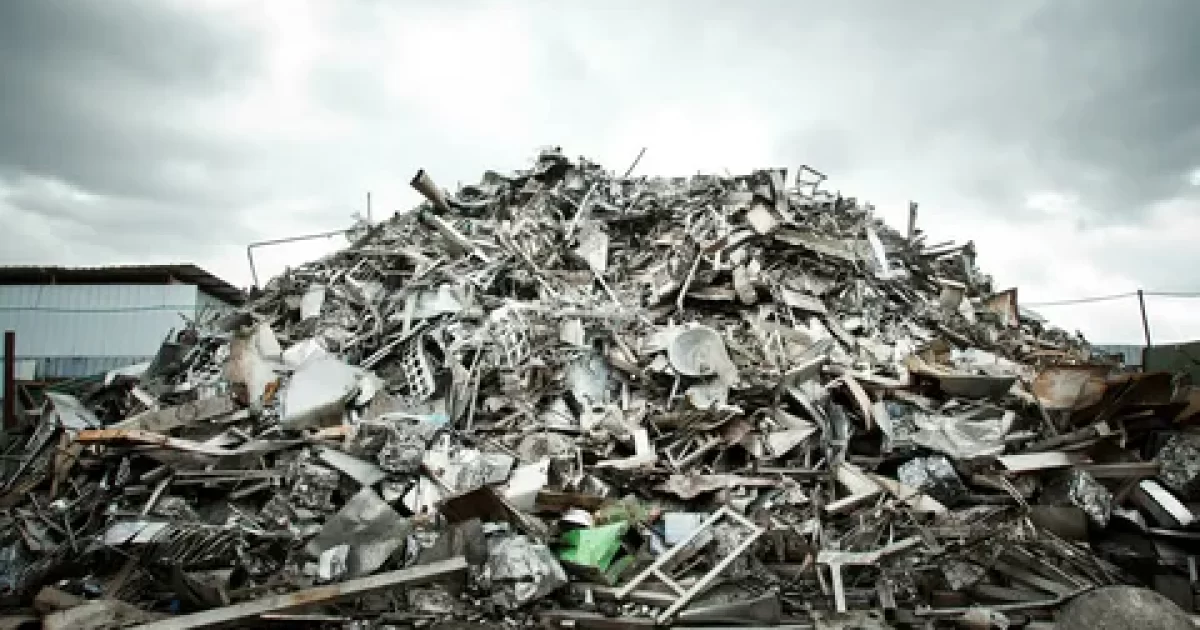
Scrap metal is something many people see as waste, but in reality, it can be a valuable resource. From old appliances and car parts to copper wires, aluminium cans, steel pipes, and unused machinery, metal items that are no longer needed can often be recycled, sold, or reused.
Scrap metal recycling is not only a smart way to earn extra money, but it also helps reduce waste, conserve natural resources, and support a cleaner environment. Instead of sending metal to landfills, recycling gives it a second life. This process helps industries produce new products using less energy compared to mining and processing raw materials.
Whether you are a homeowner cleaning out your garage, a contractor handling leftover materials, or a business looking to manage metal waste more responsibly, understanding how scrap metal recycling works can help you make better decisions.
In this complete guide, you will learn what scrap metal is, which types are valuable, how to prepare metal for selling, where to sell it, and how metal can be reused in practical ways.
What Is Scrap Metal?
Scrap metal refers to any metal material that is no longer being used for its original purpose but can still be recycled or reused. These materials may come from homes, construction sites, vehicles, factories, farms, and commercial buildings.
Common examples include:
Old pipes and wires
Broken tools
Metal roofing sheets
Car parts
Appliances
Aluminum cans
Steel beams
Copper tubing
Brass fixtures
Machinery parts
Scrap metal can be melted down and transformed into new materials or products. This makes it a useful part of the recycling industry and an important resource for manufacturers.
Why Scrap Metal Recycling Matters
Scrap metal recycling offers benefits for individuals, businesses, and the environment. It turns unwanted metal into something useful while reducing the need for new mining.
Environmental Benefits
Mining raw metal ores requires heavy machinery, fuel, land disturbance, and large amounts of energy. Recycling metal helps lower the demand for mining and reduces pollution linked to metal production.
Recycling also keeps bulky metal waste out of landfills. Unlike some materials, metal does not break down easily. If left in landfills, it can take up space for years and may contribute to soil or water contamination depending on coatings, chemicals, or attached materials.
Economic Benefits
Scrap metal has market value. Many recycling centers and scrap yards pay for metals based on type, weight, quality, and current market prices. This allows individuals and companies to recover money from items they might otherwise throw away.
The recycling industry also supports jobs in collection, sorting, transportation, processing, and manufacturing.
Energy Savings
Producing metal from recycled material usually requires less energy than producing it from raw ore. For example, recycling aluminium is especially energy-efficient compared to creating new aluminium from bauxite ore. These energy savings help lower production costs and reduce carbon emissions.
Types of Scrap Metal
Not all scrap metal is the same. Some metals are more valuable than others, and scrap yards usually separate them into two main categories: ferrous and non-ferrous metals.
Ferrous Metals
Ferrous metals contain iron. They are usually magnetic and are commonly found in construction materials, vehicles, machinery, and household appliances.
Common ferrous metals include:
Steel
Cast iron
Wrought iron
Carbon steel
Stainless steel
Ferrous metals are often less valuable per pound than non-ferrous metals, but they are widely recycled because they are available in large quantities.
Common Sources of Ferrous Scrap
You may find ferrous scrap in:
]Old cars
Steel beams
Metal doors
Filing cabinets
Washing machines
Refrigerators
Pipes
Farm equipment
A simple magnet test can help identify ferrous metals. If the magnet sticks, the metal likely contains iron.
Non-Ferrous Metals
Non-ferrous metals do not contain significant amounts of iron. They are usually more resistant to rust and often have higher scrap value.
Common non-ferrous metals include:
- Copper
- Aluminum
- Brass
- Bronze
- Lead
- Zinc
- Nickel
These metals are commonly used in electrical systems, plumbing, roofing, automotive parts, and household items.
Why Non-Ferrous Metals Are Valuable
Non-ferrous metals are often worth more because they are highly reusable, corrosion-resistant, and widely used in industries such as construction, electronics, transportation, and manufacturing.
Copper, for example, is one of the most sought-after scrap metals because it is used in wiring, motors, plumbing, and electrical components.
Most Valuable Scrap Metals to Sell
The value of scrap metal changes depending on market conditions, location, metal grade, and demand. However, some metals are generally more valuable than others.
Copper
Copper is one of the top-paying scrap metals. It is often found in electrical wires, plumbing pipes, motors, air conditioners, and roofing materials.
Clean copper usually gets a better price than copper mixed with insulation, solder, paint, or other materials.
Brass
Brass is a mixture of copper and zinc. It is commonly found in faucets, valves, door handles, locks, plumbing fittings, and decorative items.
Because brass contains copper, it usually has good resale value.
Aluminum
Aluminium is lightweight and widely used. It can be found in cans, window frames, gutters, siding, car parts, and outdoor furniture.
Although aluminium is usually worth less per pound than copper or brass, it is easy to collect and recycle.
Stainless Steel
Stainless steel is used in kitchen equipment, sinks, appliances, medical tools, and industrial machinery. It contains iron along with other metals such as chromium and nickel.
Its value depends on its grade and composition.
Lead
Lead can be found in old pipes, batteries, roofing materials, and weights. It must be handled carefully because it can be harmful to health. Many scrap yards accept lead, but local rules may apply.
How to Identify Scrap Metal
Knowing what type of metal you have can help you get a better price and avoid confusion at the scrap yard.
Use a magnet.
A magnet is one of the easiest tools for sorting metal.
If the magnet sticks, the item is likely ferrous metal such as steel or iron. If the magnet does not stick, it may be non-ferrous metal such as copper, aluminum, brass, or bronze.
Check the colour.
Colour can also help identify metal:
Copper has a reddish-orange colour.
Brass is yellow or gold-like.
Aluminum is silver-gray and lightweight.
Stainless steel is shiny silver and often heavier than aluminum.
Lead is dull gray and soft.
Look at the Weight
Some metals are heavier than others. Lead is very dense, while aluminium is light. Copper and brass feel heavier than aluminum but are not as heavy as lead.
Separate Coated or Mixed Materials
Painted, insulated, or mixed metal items may have a lower value than clean metal. For example, bare copper wire is usually more valuable than insulated copper wire because it requires less processing.
How to Prepare Scrap Metal for Selling
Preparing your scrap metal properly can improve your payout and make the recycling process easier.
Sort Metals by Type
Do not mix copper, aluminum, steel, brass, and other metals together. Scrap yards usually pay based on the lowest-value material if metals are mixed. Sorting them in advance can help you receive more accurate pricing.
Clean the Metal
Remove plastic, rubber, wood, glass, or other non-metal materials whenever possible. Clean metal is easier to process and may bring a better price.
For example, removing attachments from aluminum frames or stripping certain wires may increase value, depending on the scrap yard’s pricing policy.
Remove Hazardous Items
Some items may contain chemicals, oils, refrigerants, batteries, or pressurized parts. These should be handled carefully and according to local guidelines.
Items such as refrigerators, air conditioners, and vehicles may require special preparation before recycling.
Weigh Your Scrap
If possible, get an estimate of the weight before visiting a scrap yard. Prices are usually calculated by weight, so having a rough idea helps you understand what to expect.
Where to Sell Scrap Metal
There are several places where you can sell or recycle scrap metal, depending on the quantity and type of material.
Local Scrap Yards
Scrap yards are the most common places to sell metal. They weigh your materials, identify the type of metal, and pay according to current rates.
Before visiting, it is a good idea to call ahead and ask:
- Which metals they accept
- Current pricing
- Required identification
- Payment methods
- Any preparation rules
Recycling Centers
Some municipal or private recycling centers accept scrap metal. They may not always pay as much as scrap yards, but they are useful for responsibly disposing of small items.
Metal Recycling Companies
Businesses with large amounts of scrap may work directly with metal recycling companies. These companies may offer pickup services, containers, and regular recycling programs.
Online Marketplaces
Some reusable metal items may be worth selling directly instead of scrapping. For example, old gates, metal furniture, machinery parts, or decorative metal pieces may attract buyers online.
Tips to Get the Best Price for Scrap Metal
Getting a good return from scrap metal depends on timing, preparation, and knowledge.
Compare Local Prices
Scrap metal prices can vary between buyers. Contact multiple scrap yards in your area to compare rates before selling.
Sell When Market Prices Are Higher
Metal prices change based on supply and demand. If you are not in a hurry, watching price trends can help you decide when to sell.
Keep Metals Separated
Sorted metal is easier for buyers to evaluate and often leads to better pricing. Keep copper, brass, aluminum, stainless steel, and steel in separate containers.
Remove Attachments
Plastic handles, rubber coatings, screws, and non-metal parts can reduce value. Removing them may improve the grade of your scrap.
Build Relationships with Buyers
If you sell scrap regularly, building a relationship with a reliable scrap yard can help you get fair service, better guidance, and smoother transactions.
Smart Ways to Reuse Scrap Metal
Not all scrap metal needs to be sold immediately. Some pieces can be reused creatively or practically.
Home and Garden Projects
Scrap metal can be used for:
- Garden edging
- Trellises
- Tool racks
- Firewood holders
- Planters
- Outdoor furniture
- Decorative wall art
Reusing metal at home can save money and add character to your space.
Repairs and DIY Uses
Metal rods, sheets, brackets, and pipes can be useful for repairs. Instead of buying new materials, you may be able to reuse leftover metal for small construction or maintenance projects.
Art and Decoration
Many artists and makers use scrap metal to create sculptures, signs, furniture, and custom décor. Old gears, chains, bolts, and panels can become unique design elements.
Business Reuse
Workshops, farms, and construction businesses can reuse metal for equipment repair, storage solutions, fencing, and structural support when the material is still safe and suitable.
Safety Tips for Handling Scrap Metal
Scrap metal can have sharp edges, rust, chemicals, or heavy weight. Safety should always come first.
Wear Protective Gear
Use gloves, safety glasses, long sleeves, and sturdy shoes when handling metal. This helps protect you from cuts, sparks, and falling objects.
Lift Carefully
Metal can be heavier than it looks. Use proper lifting techniques or ask for help with large pieces. For heavy loads, use a cart, dolly, or truck.
Watch for Sharp Edges
Sheet metal, broken appliances, and cut pipes can have dangerous edges. Handle them slowly and avoid dragging them across skin or clothing.
Be Careful with Electrical Items
Appliances, wires, and machinery may contain electrical components. Make sure items are disconnected from power before handling or dismantling.
Handle Hazardous Materials Properly
Some scrap items may contain oil, fuel, refrigerants, batteries, or toxic coatings. Do not cut or dismantle suspicious materials without knowing how to handle them safely.
Common Mistakes to Avoid
Many beginners lose money or create problems because they do not prepare their scrap correctly.
Mixing All Metals Together
Mixing metals can reduce your payout. Always sort materials before selling.
Ignoring Local Rules
Some areas have laws about selling scrap metal, especially copper, vehicles, batteries, or commercial materials. You may need identification or proof of ownership.
Selling Reusable Items Too Quickly
Some metal items may be worth more as used goods than as scrap. Before selling by weight, check whether the item can be repaired, reused, or sold as-is.
Not Checking Prices
Scrap prices fluctuate. Selling without checking rates may mean missing out on a better deal.
Forgetting Transportation Costs
If you only have a small amount of low-value metal, fuel and transport costs may reduce your profit. Try to collect enough material before making a trip.
Scrap Metal Recycling for Businesses
Businesses often generate scrap metal through construction, manufacturing, repairs, demolition, and equipment upgrades. A proper recycling plan can reduce waste and improve efficiency.
Benefits for Businesses
Scrap metal recycling can help businesses:
- Reduce disposal costs
- Improve workplace organization
- Support sustainability goals
- Recover value from waste
- Meet environmental standards
Setting Up a Scrap Metal Program
Businesses can place labeled bins for different metals, train employees to sort materials, and schedule regular pickups with a recycling company. Keeping records of recycled materials can also help with reporting and cost tracking.
The Future of Scrap Metal Recycling
As industries focus more on sustainability, scrap metal recycling will continue to play an important role. Demand for recycled materials is likely to grow as manufacturers look for cost-effective and environmentally responsible resources.
New technologies are also improving how metals are sorted, processed, and reused. Better recycling systems can reduce waste, save energy, and support a circular economy where materials are used again and again instead of being thrown away.
Conclusion
Scrap metal recycling is a practical way to turn unwanted metal into value. Whether you are selling copper wire, aluminum cans, old appliances, steel parts, or brass fittings, understanding the basics can help you make smarter choices.
By sorting your metals, cleaning them properly, comparing prices, and following safety guidelines, you can increase your earnings and reduce waste at the same time. Reusing metal for repairs, creative projects, or business needs can also extend the life of valuable materials.
FAQ
What is scrap metal recycling?
Scrap metal recycling is the process of collecting unwanted metal items, sorting them by type, and processing them so they can be reused to make new products. Common recyclable metals include steel, copper, aluminum, brass, iron, and stainless steel.
What types of scrap metal can be recycled?
Most metals can be recycled, including copper wires, aluminum cans, brass fittings, steel appliances, car parts, iron pipes, and stainless steel items. Scrap yards usually separate metals into ferrous metals, which contain iron, and non-ferrous metals, which usually have higher value.
How do I know if my metal is ferrous or non-ferrous?
Use a simple magnet test. If a magnet sticks to the metal, it is likely ferrous, such as iron or steel. If the magnet does not stick, it may be non-ferrous, such as copper, aluminum, brass, or bronze.
Which scrap metal is worth the most money?
Copper is usually one of the most valuable common scrap metals. Brass, aluminum, stainless steel, and lead can also have good value depending on quality, weight, and current market prices.
Where can I sell scrap metal?
You can sell scrap metal at local scrap yards, metal recycling centers, or recycling companies. Some companies also offer pickup services for large amounts of metal waste.
How should I prepare scrap metal before selling it?
Sort metals by type, remove non-metal parts when possible, clean off plastic or rubber attachments, and separate high-value metals like copper and brass. Clean and sorted metal often brings a better price.
Can I recycle old appliances as scrap metal?
Yes, many old appliances such as washing machines, dryers, ovens, and refrigerators contain recyclable metal. However, some appliances may contain refrigerants, oils, or electronic parts, so check with your local scrap yard before taking them in.