
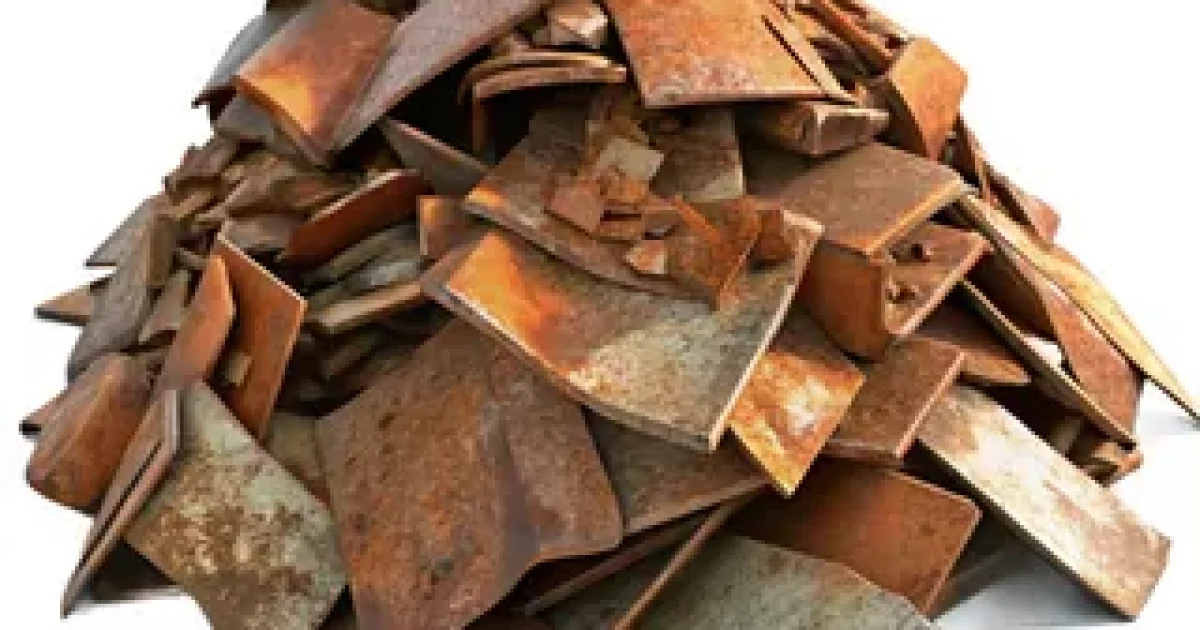
Metal scrap recycling plays a vital role in New Zealand’s economy and environmental sustainability. Whether you’re a homeowner clearing out old appliances, a contractor handling demolition waste, or a business managing industrial scrap, understanding metal scrap prices can help you maximize your returns.
The value of scrap metal changes regularly due to global demand, local market conditions, metal quality, and international commodity prices. Knowing how these factors influence metal scrap prices NZ allows you to make informed decisions about when and where to sell your recyclable materials.
In this comprehensive guide, we’ll cover the latest metal scrap prices, explain the different types of scrap metals, discuss the factors affecting prices, and share expert tips to help you earn the best possible return from your scrap metal.
Why Metal Scrap Prices Matter
Selling scrap metal is more than simply disposing of unwanted materials. Metals such as copper, aluminium, brass, stainless steel, and steel have significant recycling value. Recycling these materials reduces landfill waste, conserves natural resources, and lowers the energy required to produce new metals.
For businesses, recycling scrap metal creates an additional revenue stream. For homeowners, it provides an opportunity to earn money while contributing to environmental sustainability.
As recycling technology continues to improve and demand for metals grows, metal scrap prices remain an important consideration for individuals and industries alike.
What Determines Metal Scrap Prices?
Several factors influence metal scrap prices NZ. Understanding these factors helps sellers decide the best time to recycle their materials.
Global Commodity Prices
Most metal prices follow international commodity markets. When global demand increases, scrap metal prices generally rise. Manufacturing, infrastructure projects, renewable energy development, and automotive production all influence worldwide demand for recycled metals.
Supply and Demand
Local recycling facilities adjust prices according to the amount of scrap metal available.
When supply is high, prices may decrease slightly. During periods of limited supply and strong industrial demand, scrap yards often increase their buying rates.
Metal Grade and Purity
Clean metals always receive higher prices than contaminated materials.
For example:
- Bare bright copper commands premium prices.
- Clean aluminium without paint is worth more than mixed aluminium.
- Stainless steel sorted by grade earns higher returns.
Sorting your scrap before selling can significantly increase its value.
Quantity of Scrap
Commercial suppliers and contractors often receive better rates because they sell larger volumes.
If possible, collect and sort your scrap before visiting a recycling centre.
Exchange Rates
Because metals are traded internationally, exchange rate fluctuations also influence metal scrap prices NZ.
A weaker New Zealand dollar generally results in higher local scrap prices.
Current Metal Scrap Prices NZ
Although prices change frequently, the following table provides a general guide to common scrap metal values.
| Metal Type | Estimated Price (NZD/kg) |
|---|---|
| Bare Bright Copper | $10–$13 |
| #1 Copper | $9–$12 |
| #2 Copper | $8–$10 |
| Brass | $5–$8 |
| Aluminium | $1–$3 |
| Stainless Steel | $1–$4 |
| Steel | $0.20–$0.50 |
| Lead | $1–$2 |
| Car Batteries | $0.50–$1.50 |
These prices vary depending on metal quality, quantity, and local recycling companies.
Types of Scrap Metal
Understanding different types of scrap metals helps you estimate their recycling value.
Ferrous Metals
Ferrous metals contain iron and are magnetic.
Common examples include:
- Steel
- Cast iron
- Structural beams
- Machinery
- Car parts
Ferrous metals are widely recycled but generally have lower values than non-ferrous metals.
Non-Ferrous Metals
Non-ferrous metals contain little or no iron.
Examples include:
- Copper
- Aluminium
- Brass
- Bronze
- Lead
- Zinc
These metals usually command much higher metal scrap prices because of their industrial demand and corrosion resistance.
Copper Scrap Prices
Copper remains one of the most valuable recyclable metals.
Copper is commonly found in:
Electrical Wiring
Electricians frequently recycle copper wiring from renovations and commercial projects.
Plumbing Pipes
Old plumbing systems contain high-quality copper pipes that often receive premium prices.
Industrial Equipment
Manufacturing facilities generate copper offcuts, electrical components, and machine parts suitable for recycling.
Because copper is essential in electrical systems, renewable energy, and electric vehicles, it consistently delivers some of the highest metal scrap prices NZ.
Aluminium Scrap Prices
Aluminium is lightweight, corrosion-resistant, and infinitely recyclable.
Common aluminium scrap includes:
- Window frames
- Drink cans
- Roofing sheets
- Car wheels
- Aluminium siding
Although aluminium is worth less per kilogram than copper, it remains one of the most commonly recycled metals in New Zealand.
Brass Scrap Prices
Brass contains copper and zinc, making it highly valuable.
Common brass items include:
- Plumbing fittings
- Water taps
- Valves
- Decorative hardware
- Marine components
Steel Scrap Prices
Steel is one of the most widely recycled metals in New Zealand. Although its price per kilogram is lower than non-ferrous metals like copper and brass, steel is commonly available in large quantities, making it valuable for both individuals and businesses.
Common sources of steel scrap include:
- Structural steel from construction sites
- Old vehicles
- Household appliances
- Roofing materials
- Machinery and equipment
- Industrial manufacturing waste
Because steel is magnetic and easy to sort, recycling centres process it efficiently. Businesses involved in demolition and construction often generate significant amounts of steel scrap, helping them earn additional revenue while reducing landfill waste.
Stainless Steel Scrap Prices
Stainless steel is another valuable recyclable metal because it contains chromium and, in some grades, nickel. These metals increase its recycling value compared to ordinary steel.
Common stainless steel scrap includes:
Kitchen Equipment
Commercial kitchens and restaurants regularly replace stainless steel benches, sinks, shelving, and appliances.
Industrial Equipment
Factories recycle stainless steel tanks, pipes, pumps, and processing equipment.
Construction Materials
Modern buildings often contain stainless steel railings, fixtures, and architectural components.
The price of stainless steel depends on its grade and nickel content. Higher-grade stainless steel usually commands better metal scrap prices.
How to Get the Best Metal Scrap Prices
Whether you’re recycling a few household items or several tonnes of commercial scrap, following these simple tips can increase your earnings.
Sort Your Metals
Never mix different metals together.
Separate:
- Copper
- Aluminium
- Brass
- Stainless steel
- Steel
- Lead
Sorted materials receive better prices because recycling centres spend less time processing them.
Remove Contaminants
Clean scrap always attracts higher prices.
Remove:
- Plastic
- Rubber
- Wood
- Dirt
- Concrete
- Excess paint
- Non-metal attachments
The cleaner your scrap, the more valuable it becomes.
Sell in Bulk
Larger quantities often qualify for better rates.
Commercial businesses usually negotiate higher prices because they provide consistent volumes of recyclable metals.
Monitor Market Conditions
Global metal markets change every day.
If prices are low and you have storage space, waiting for stronger market conditions may increase your return.
Compare Local Scrap Buyers
Different recycling companies may offer different prices for the same materials.
Before selling, compare offers from multiple buyers to secure the best metal scrap prices NZ.
Where to Sell Scrap Metal in New Zealand
New Zealand has many licensed scrap metal recycling companies that purchase both residential and commercial scrap.
Common sellers include:
Homeowners
Old appliances, fencing, gutters, and renovation waste often contain recyclable metals.
Electricians
Electrical contractors frequently recycle copper wiring, switchboards, and cable offcuts.
Plumbers
Copper pipes, brass fittings, and water cylinders generate valuable scrap.
Builders
Construction companies recycle structural steel, aluminium, and demolition materials.
Manufacturers
Industrial facilities generate large quantities of metal offcuts and production waste suitable for recycling.
Most recycling centres accept a wide range of ferrous and non-ferrous metals while offering competitive metal scrap prices based on current market conditions.
Benefits of Recycling Scrap Metal
Metal recycling provides financial, environmental, and economic benefits.
Protects Natural Resources
Recycling reduces the need for mining new raw materials.
Saves Energy
Producing metals from recycled materials uses significantly less energy than manufacturing them from virgin ore.
Reduces Landfill Waste
Recycling prevents thousands of tonnes of reusable metal from ending up in landfills every year.
Supports the Circular Economy
Recycled metals are reused in construction, manufacturing, automotive production, and renewable energy projects.
Generates Extra Income
Instead of throwing away unwanted metal, recycling allows homeowners and businesses to earn money while reducing waste.
Future Trends in Metal Scrap Prices
Several long-term trends are expected to support demand for recycled metals.
Electric Vehicles
Electric vehicles require considerably more copper and aluminium than conventional petrol vehicles.
As EV production grows worldwide, demand for recyclable metals is expected to increase.
Renewable Energy
Wind turbines, solar farms, battery storage systems, and electrical infrastructure all rely heavily on recyclable metals.
This growing industry is likely to support strong metal scrap prices for years to come.
Infrastructure Development
Governments continue investing in:
- Roads
- Railways
- Bridges
- Housing
- Water systems
- Electricity networks
These projects require large quantities of steel, copper, aluminium, and other recyclable metals.
Sustainable Manufacturing
Many manufacturers now prefer recycled metals because they reduce production costs and carbon emissions.
This trend continues to strengthen demand for quality scrap materials.
Frequently Asked Questions
What are metal scrap prices?
Metal scrap prices are the rates paid by recycling centres for recyclable metals such as copper, aluminium, brass, stainless steel, and steel. Prices vary depending on market demand, metal quality, and quantity.
Which metal has the highest scrap value?
Bare bright copper generally commands the highest metal scrap prices because of its high purity and strong industrial demand.
Do metal scrap prices change daily?
Yes. Most recycling companies update their prices regularly based on international commodity markets, exchange rates, and local demand.
Should I clean scrap metal before selling?
Yes. Removing contaminants such as plastic, rubber, wood, and dirt usually increases the value of your scrap.
Can businesses recycle large quantities of scrap metal?
Absolutely. Many New Zealand recycling companies offer collection services for commercial, industrial, construction, and manufacturing businesses.
Conclusion
Understanding metal scrap prices is essential for anyone looking to maximise the value of recyclable metals in New Zealand. Whether you are recycling copper wiring, aluminium cans, brass fittings, stainless steel equipment, or structural steel, staying informed about market trends can help you achieve better returns.
Several factors influence metal scrap prices NZ, including global commodity markets, metal purity, supply and demand, exchange rates, and the quantity of material being sold. Sorting your metals, cleaning them before recycling, and comparing prices from different buyers are simple steps that can significantly increase your earnings.
As New Zealand continues to focus on sustainability and the global demand for recycled materials grows, scrap metal recycling will remain an important part of the circular economy. By recycling responsibly, you not only generate additional income but also help conserve natural resources, reduce energy consumption, and protect the environment for future generations.