
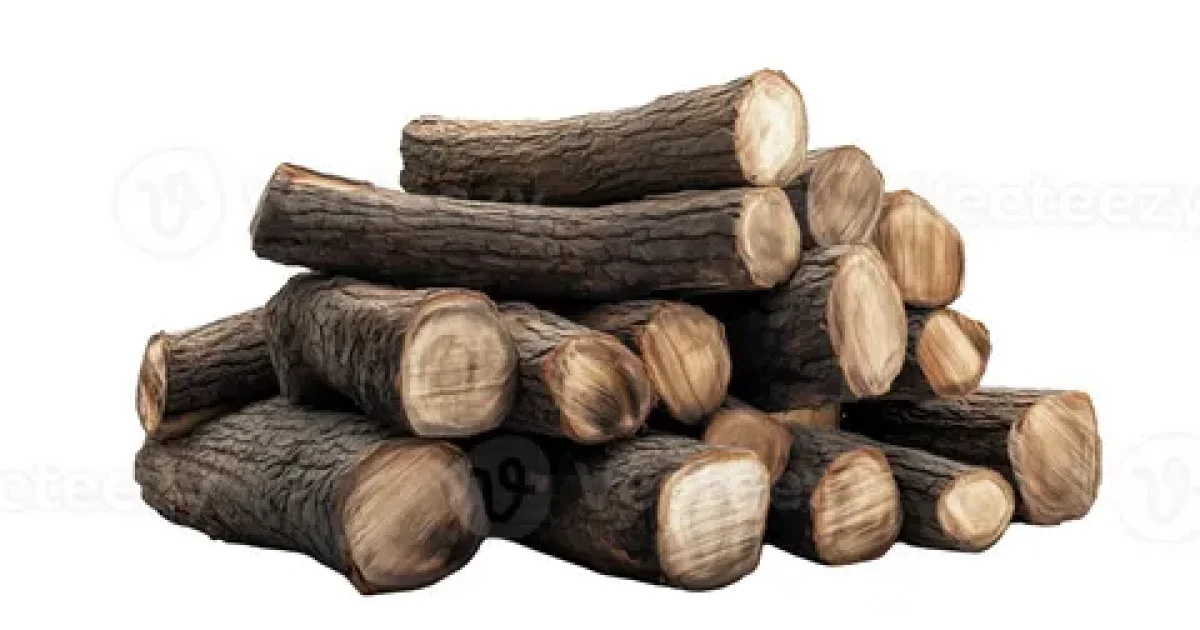
When winter arrives in Whanganui, a warm wood burner can make the cold evenings much more comfortable. But choosing the best firewood for winter in Whanganui is about more than simply buying the cheapest load available.
The type of wood, how well it has been seasoned, its moisture level, log size and how you store it can all affect how hot and efficiently your fire burns.
For most Whanganui homes, dry, well-seasoned hardwood or a quality mixed load is an excellent choice for winter. Hardwood such as gum can provide strong, long-lasting heat, while macrocarpa offers a steady burn. Pine is useful when you want wood that lights easily and gets the fire going quickly.
What Is the Best Firewood for Winter in Whanganui?
The best firewood for winter in Whanganui should be dry, clean, properly split and suitable for your wood burner.
If you want a fire that stays warm for longer, dense hardwoods are generally a strong option. If easy lighting and affordability are more important, pine can be useful. Many households choose a mixture because it combines quick-starting wood with longer-burning logs.
The most important factor, however, is dryness. Even an excellent species will perform poorly if it is wet or freshly cut.
New Zealand firewood guidance recommends buying dry seasoned wood or purchasing unseasoned wood early enough for it to dry before winter. Green firewood can take several months to season when stored correctly.
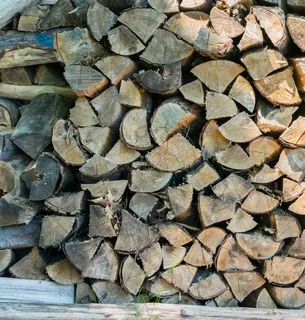
Top Firewood Choices: Best Firewood for Winter in Whanganui
Gum
Gum is one of the best choices when your priority is heat and a longer-lasting fire. Eucalyptus firewood is dense and provides a high heat output when properly seasoned. Best Firewood for Winter in Whanganui.
For households that rely on a wood burner throughout winter, dry gum can be an excellent premium option. It may cost more than softer woods, but its longer burn can make it worthwhile.
Macrocarpa
Macrocarpa is another popular choice for home heating. It provides a steady burn and can work particularly well when you want reliable warmth without relying entirely on very dense hardwood.
Local Whanganui firewood suppliers offer macrocarpa for longer burns, making it a practical option for winter heating.
Pine
Pine is often a good choice for getting a fire started quickly. It is generally easier to light than dense hardwood and can be a cost-effective option.
Rather than using pine alone, many homeowners combine it with slower-burning wood. Pine gets the fire established, while denser logs can help maintain the heat.
Manuka
Manuka is a very dense hardwood and is known for producing strong, long-lasting heat. New Zealand firewood data lists manuka among the higher heat-output options when comparing wood at similar moisture levels. Best Firewood for Winter in Whanganui.
It can be an excellent choice for those wanting a long, hot burn, although availability and price can vary.
Why Dry Firewood Matters More Than Wood Type
You can buy the “best” species available, but if the wood is wet, you may still end up with a disappointing fire.
Wet firewood uses energy to evaporate moisture instead of producing useful heat. It can also create more smoke and contribute to creosote buildup in the flue.
Dry firewood is easier to light, burns more efficiently and generally provides more useful heat. The New Zealand Good Wood guidance also recommends storing firewood where it is protected from rain while allowing plenty of airflow.
A simple rule when buying firewood in Whanganui is:
Dry wood first, species second.
Seasoned or Green Firewood: Which Should You Buy?
If you need firewood for immediate winter use, choose dry seasoned firewood that is ready to burn.
Green or freshly cut wood can be cheaper, but it needs sufficient time to dry. If you buy green firewood, split and stack it in a dry, well-ventilated location well before winter.
Good Wood guidance notes that green wood can take around four to twelve months to season, depending on conditions and storage.
This is why buying firewood before the coldest part of winter can be a smart move.
How to Store Firewood in Whanganui
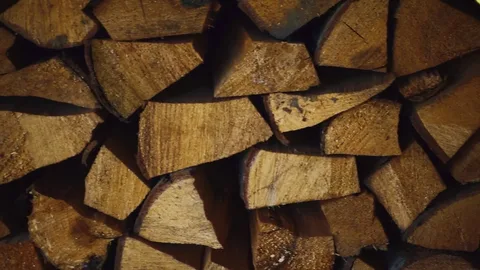
Even properly seasoned wood can become difficult to burn if it is left exposed to rain.
Keep your firewood:
- Off the ground
- Protected from rain
- In a well-ventilated area
- Loosely stacked so air can circulate
- Away from excessive moisture
Avoid wrapping the entire pile tightly in plastic, as trapped moisture can slow drying and encourage mould.
A covered wood shed or roofed storage area with open sides is ideal for best firewood for winter in Whanganui.
How Much Firewood Do You Need for Winter?
There is no single amount that works for every Whanganui household.
Your winter firewood requirements will depend on:
- The size of your home
- Insulation and draughts
- Your wood burner
- How often you use the fire
- Your preferred indoor temperature
- The type and dryness of the wood
A home using a wood burner every evening will naturally need considerably more than someone who lights a fire occasionally.
When ordering firewood in Whanganui, also check how the supplier measures the load. Firewood may be sold by cubic metre, trailer load, sack or another measurement. New Zealand data notes that thrown firewood can occupy substantially more space than the same amount when tightly stacked, so comparing like-for-like quantities is important.
What to Look for When Buying Firewood in Whanganui
Before ordering a load, ask the supplier a few simple questions: Best Firewood for Winter in Whanganui.
Is the wood dry and ready to burn?
Don’t assume that “seasoned” automatically means ready for immediate burning. Some suppliers describe wood as seasoned but still recommend additional drying before use.
What type of wood is included?
If you are buying a mixed load, find out what species are included. A hot mix may contain different proportions of hardwood and softer wood.
How is the wood measured?
Ask whether the price is for a stacked or thrown cubic metre, trailer load or another quantity.
What size are the logs?
Logs should be appropriate for your particular wood burner. Oversized pieces can be difficult to handle and may not fit comfortably inside the firebox.
How is delivery handled?
For a larger winter order, check delivery areas, delivery fees and where the wood will be dropped.
Best Firewood for Winter in Whanganui: Quick Comparison
| Firewood | Best for | Burn style |
|---|---|---|
| Gum | Strong, long-lasting heat | Long burn |
| Macrocarpa | Everyday winter heating | Steady burn |
| Manuka | High heat and long burns | Slow burn |
| Pine | Easy lighting and quick heat | Faster burn |
| Mixed firewood | Balanced everyday use | Combination |
The key is not simply choosing the most expensive wood. A properly dried, well-stored load that suits your burner can offer much better results than expensive wood that is still too wet.
When Is the Best Time to Buy the Best Firewood for Winter in Whanganui?
Ideally, don’t wait until the coldest weeks of winter.
Buying during spring or summer gives you more time to arrange delivery, check the wood and allow additional drying if necessary. New Zealand councils promoting the Good Wood approach also encourage households to buy and store firewood ahead of winter.
If you are buying during winter, look specifically for firewood that is already dry and ready to burn.
Final Thoughts
The best firewood for winter in Whanganui is ultimately wood that delivers dependable heat without unnecessary smoke or wasted energy.
For long-lasting warmth, consider dry gum, manuka or macrocarpa. For quick lighting, pine can be useful. A quality mixed load can also give you the best of both worlds.
Whatever species you choose, make dryness, correct storage and suitable log size your priorities. Buy early when possible, keep your wood protected from rain and make sure your flue and wood burner are properly maintained.
With the right firewood ready to go, those chilly Whanganui winter nights can be a lot warmer and more comfortable.
Frequently Asked Questions
What is the best firewood for winter in Whanganui?
Dry gum, macrocarpa and manuka are strong choices for long-lasting winter heat. Pine is useful for quick lighting, while a good mixed load can provide a balance between easy starting and longer burning.
Is pine good firewood for Whanganui?
Yes. Dry pine can be useful for starting a fire and providing relatively quick heat. It generally burns faster than denser hardwoods, so combining it with longer-burning wood can be practical.
Is gum better than pine for winter?
If your main goal is a longer-lasting, hotter fire, properly seasoned gum is generally the stronger choice. Pine is useful when you want easy lighting and quicker heat.
How do I know if firewood is dry?
Dry wood is generally lighter than freshly cut wood and may show cracks at the ends. A moisture meter provides a more reliable measurement than appearance alone.
Can I burn freshly cut firewood?
It is better to allow freshly cut wood to season properly before burning it. Wet wood can burn poorly, produce more smoke and provide less useful heat.
Where can I buy firewood in Whanganui?
Whanganui has local firewood suppliers offering options such as pine, macrocarpa, mixed loads and seasoned wood. Compare the wood type, dryness, quantity, delivery terms and price rather than choosing purely on the advertised price. Local suppliers currently advertise dry and mixed firewood options in the Whanganui area.