
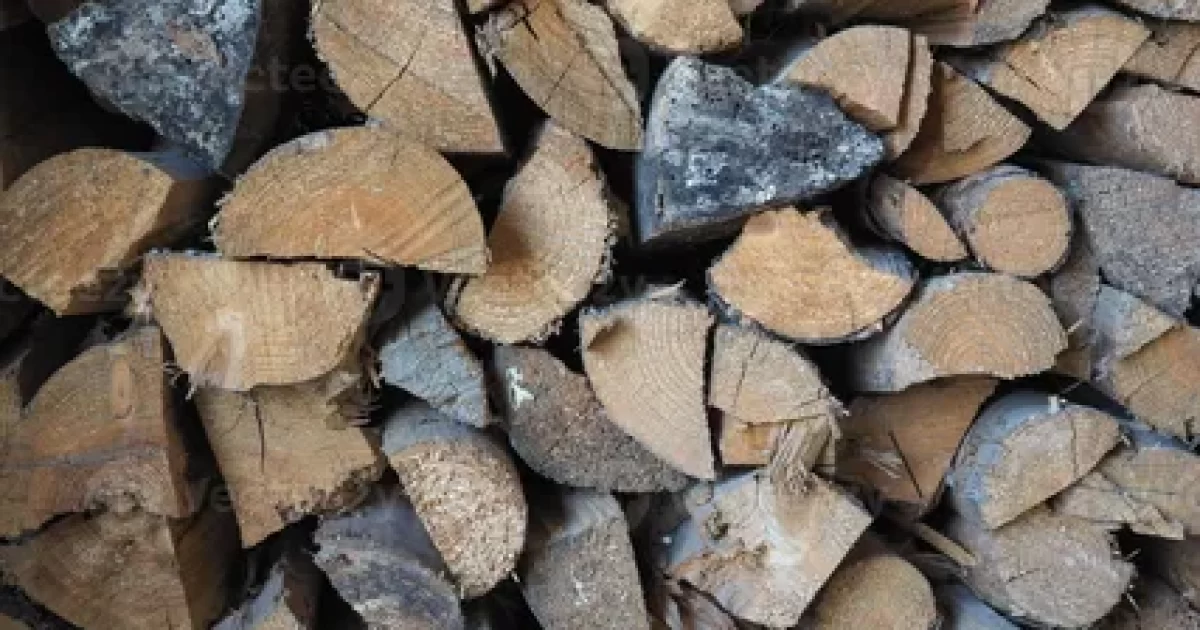
When the colder months arrive, having reliable firewood can make a big difference to the comfort of your home. For many households in Wanganui, a warm fire is not only a practical heating choice but also a part of winter living. Whether you use a wood burner every day, light your fireplace occasionally, or need firewood for outdoor use, choosing the right wood matters.
Buying Firewood Wanganui may seem simple, but not all firewood is the same. The type of wood, moisture level, seasoning time, storage method, and delivery quantity can all affect how well it burns. Good-quality firewood gives you steady heat, burns cleaner, produces less smoke, and offers better value for money.
This guide explains everything you need to know about buying firewood Wanganui, including what to look for, which types of wood are best, how to store it, and how to avoid common buying mistakes.
Why Quality Firewood Matters
Quality firewood does more than just start a fire. It affects heat output, indoor air quality, chimney cleanliness, and overall heating efficiency. Poor-quality or wet wood can be frustrating because it is hard to light, creates smoke, and produces less heat.
Dry, seasoned firewood burns hotter and cleaner. This means you use less wood to heat the same space. It also helps reduce smoke buildup inside your flue or chimney, which can lower maintenance issues over time.
For firewood wanganui-quality-firewood-guidehomes that rely on wood burners during winter, choosing the right firewood can help keep heating costs manageable while maintaining a comfortable indoor temperature.
What Makes Firewood Good Quality?
Good firewood has a few important characteristics. Before buying, it helps to understand what separates high-quality wood from poor firewood.
Properly Seasoned Wood
Seasoned firewood has been cut, split, and dried for a suitable period. Freshly cut wood contains a lot of moisture, which makes it difficult to burn efficiently. Seasoned wood has lower moisture content and burns more easily.
Well-seasoned firewood usually has cracks on the ends, feels lighter than green wood, and makes a sharper sound when two pieces are knocked together.
Low Moisture Content
Moisture content is one of the biggest factors in firewood performance. Wet wood wastes energy because the fire must burn off water before producing useful heat. This results in smoke, poor flames, and lower efficiency.
Dry firewood should generally feel light for its size and should not have a damp smell. If the wood feels heavy, looks freshly cut, or has visible moisture, it may need more drying time.
Clean and Split Pieces
Good firewood is usually split into manageable pieces. Split wood dries faster and burns more consistently than large unsplit logs. Clean wood should also be free from excessive dirt, mould, rubbish, paint, or chemical treatment.
Never burn treated timber, painted wood, or construction waste in your fireplace or wood burner. These materials can release harmful fumes and damage your heating system.
Firewood Wanganui Suitable Log Size
The best log size depends on your fireplace or wood burner. Pieces that are too large may be difficult to light, while very small pieces burn quickly. A good firewood Wanganui supplier should offer wood that is cut to practical sizes for home heating.
Best Types of Firewood Wanganui Homes
Different types of firewood burn in different ways. Some woods are excellent for long-lasting heat, while others are better for kindling or quick fires.
Gum Firewood
Gum is a popular firewood choice because it burns hot and lasts well when properly seasoned. It is dense, so it can provide strong heat output. However, gum needs to be well dried before use because green gum can be difficult to burn.
Pine Firewood Wanganui
Pine is easier to light and burns quickly. It is often used as kindling or for starting fires. While it can be useful, it may burn faster than hardwoods, so it is not always the best option for long overnight heating.
Macrocarpa Firewood Wanganui
Macrocarpa is commonly used in New Zealand and can be a good firewood option when dry. It lights reasonably well and produces useful heat. Like all firewood, it performs best when properly seasoned.
Manuka and Kanuka
Manuka and kanuka are known for excellent heat output and long burn times. They are dense hardwoods and can be a premium choice for home heating. Because of their quality, they may cost more than softer woods.
Mixed Firewood
Many buyers choose mixed firewood because it offers a balance of price, heat, and availability. A mix may include softwood for easy lighting and hardwood for longer burning. Always ask what types of wood are included in the mix before buying.
Seasoned vs Firewood Wanganui
One of the most important decisions when buying firewood is whether to choose seasoned or green wood.
Seasoned Firewood
Seasoned firewood is ready to burn or close to ready, depending on how it has been stored. It is the best option if you need wood for immediate use during winter. It usually costs more than green wood because it has already been cut, split, dried, and stored.
Firewood Wanganui
Green firewood is freshly cut and still contains a high amount of moisture. It is usually cheaper but needs time to dry before it burns well. If you buy green firewood, it is best to purchase it well before winter and store it correctly.
Which One Should You Choose?
If you need firewood now, seasoned wood is the better choice. If you are planning ahead and have enough storage space, buying green wood early can be more cost-effective. Many experienced firewood users buy wood in spring or summer so it has time to dry before winter.
How to Choose the Right Firewood Supplier in Wanganui
A good supplier can save you time, money, and frustration. When searching for firewood in Wanganui, focus on reliability, wood quality, clear pricing, and honest communication.
Check the wood description.
A trustworthy supplier should clearly explain what type of wood they sell, whether it is seasoned or green, and how it is measured. Avoid vague listings that do not mention wood type, dryness, or quantity.
Ask About Delivery Options
Firewood delivery can be very helpful, especially if you are buying in bulk. Ask whether delivery is included, what areas are covered, and whether the wood will be tipped in a driveway or stacked for an extra fee.
Compare Quantity and Measurement
Firewood may be sold by cubic metre, trailer load, cord, or bag. Make sure you understand what you are paying for. A cheaper price may not always mean better value if the quantity is smaller or the wood is poorly seasoned.
Firewood Wanganui Read Local Reviews
Customer reviews can give you a better idea of supplier reliability. Look for comments about dry wood, accurate loads, on-time delivery, and fair pricing.
Ask About Moisture Level
A professional supplier should understand the importance of dry firewood. While not every seller will provide an exact moisture reading, they should be able to explain how long the wood has been seasoned and how it has been stored.
How Much Firewood Do You Need?
The amount of firewood you need depends on your heating habits, home size, insulation, wood burner efficiency, and the type of wood you buy.
Occasional-Use Firewood Wanganui
If you only use your fireplace on weekends or colder evenings, a smaller load may be enough for the season. Bags or a small trailer load can work well for occasional use.
Regular Winter Heating
If you use a wood burner most nights during winter, you will need a larger supply. Buying in bulk is usually more economical and helps ensure you do not run out during cold weather.
Full-Time Heating
Homes that rely heavily on firewood may need several cubic metres for winter. Dense hardwoods may last longer than softwoods, so the type of wood can affect how much you need.
Tips for Storing Firewood Wanganui Properly
Even good firewood can lose quality if stored badly. Correct storage keeps wood dry, improves burning performance, and prevents waste.
Keep Firewood Off the Ground
Stack Firewood Wanganui on pallets, rails, or a raised base. This helps air circulate underneath and prevents moisture from the ground from soaking into the wood.
Allow Airflow
Firewood needs airflow to stay dry. Stack it loosely enough for air to move between the pieces. Avoid packing it too tightly in a closed space.
Cover the Top, Not the Sides
Covering the top protects wood from rain, but leaving the sides open allows moisture to escape. Fully wrapping firewood in plastic can trap dampness and slow drying.
Choose a Sunny, Breezy Spot
A location with sunlight and airflow is ideal. Avoid damp corners, shaded areas, or places where water collects.
Store Kindling Separately
Kindling should stay extra dry because it is used to start the fire. Keep it in a sheltered container, woodshed, or dry indoor area.
How to Tell If Firewood Is Ready to Burn
Before putting wood into your fireplace, check whether it is dry enough.
Firewood Wanganui Visual Signs
Dry wood often has cracked ends, faded colour, and loose bark. Green wood may look fresh, feel heavy, and have a stronger natural smell.
Sound Test
When two dry pieces are knocked together, they usually make a clear, hollow sound. Wet wood often makes a dull thud.
Burning Test
Dry firewood lights more easily and produces strong flames with less smoke. Wet wood may hiss, steam, smoke heavily, or struggle to stay burning.
Common Mistakes When Buying Firewood
Buying firewood is easier when you know what to avoid.
Waiting Until Winter
Many people wait until the cold weather arrives before ordering firewood. By then, dry wood may be harder to find, and prices may be higher. Buying early gives you more choice and better drying time.
Choosing Only by Price
The cheapest firewood is not always the best value. Wet wood produces less heat, meaning you may need to burn more of it. Quality and dryness are just as important as price.
Not Checking Quantity
Different sellers may use different measurements. Always confirm the load size before ordering so you can compare prices fairly.
Burning Wet Wood
Wet wood can create excess smoke, reduce heat output, and increase deposits in your flue. It is better to let damp wood dry before use.
Poor Storage After Delivery
Firewood should not be left in a wet pile for weeks. Stack and cover it as soon as possible after delivery.
Firewood Wanganui Safety Tips for Your Home
Using firewood safely helps protect your home and heating system.
Use the Right Fuel
Only burn clean, dry, untreated firewood. Avoid rubbish, treated timber, painted wood, plastics, and glossy paper.
Keep Wood Away from the Firebox
Do not stack large amounts of firewood too close to the fireplace or wood burner. Keep a safe distance to reduce fire risk.
Clean Your Chimney or Flue
Regular chimney or flue cleaning helps prevent soot and creosote buildup. This is especially important if you use your wood burner often.
Use a Fireguard
A fireguard can help protect children, pets, and furniture from sparks or hot surfaces.
Check Smoke Alarms
Make sure smoke alarms are working properly, especially during winter when fires are used more often.
Environmental Benefits of Using Dry Firewood
Dry firewood burns more efficiently and produces less smoke than wet wood. This can help reduce air pollution and improve local air quality. Efficient burning also means you get more heat from each piece of wood, reducing waste.
Choosing locally sourced firewood can also reduce transport distance and support local suppliers. When possible, buy from sellers who manage their wood supply responsibly.
When Is the Best Time to Buy Firewood Wanganui?
The best time to buy firewood is usually before winter. Spring and summer are ideal for planning ahead because wood has time to dry further before the cold season. Early buying can also help you avoid winter shortages and last-minute price increases.
If you need wood during winter, look specifically for seasoned or dry firewood. Ask the supplier whether it is ready to burn and how it has been stored.
Final Thoughts
Buying quality firewood in Wanganui is about more than finding the lowest price. The best firewood is dry, clean, properly split, easy to store, and suitable for your heating needs. Choosing the right wood can help you enjoy better warmth, cleaner burning, and better value throughout winter.
Before placing an order, consider the type of wood, seasoning level, quantity, delivery options, and supplier reputation. Store your firewood correctly after delivery so it stays dry and performs well when you need it.
Frequently Asked Questions
1. What is the best firewood to buy in Wanganui?
The best firewood depends on how you use your fire. Dense hardwoods such as gum, manuka, and kanuka are good for long-lasting heat, while pine is useful for kindling or quick fires. A mixed load can also be a practical option for everyday home heating.
2. Is dry firewood better than green firewood?
Yes. Dry or seasoned firewood burns hotter, lights easier, creates less smoke, and gives better value. Green firewood contains more moisture and needs time to dry before it burns properly.
3. How do I know if firewood is dry enough to burn?
Dry firewood usually feels lighter, has cracks at the ends, and may have loose bark. When two pieces are knocked together, they often make a clear sound. Wet wood may feel heavy, smell fresh, hiss, smoke, or struggle to burn.
4. When should I buy firewood in Wanganui?
The best time to buy firewood is before winter, ideally in spring or summer. Buying early gives the wood more time to dry and helps you avoid winter shortages or higher seasonal demand.
5. How much Firewood Wanganui do I need for winter?
It depends on your home size, insulation, wood burner efficiency, and how often you use the fire. Occasional users may only need a small load, while homes using a wood burner daily may need several cubic metres for the season.