
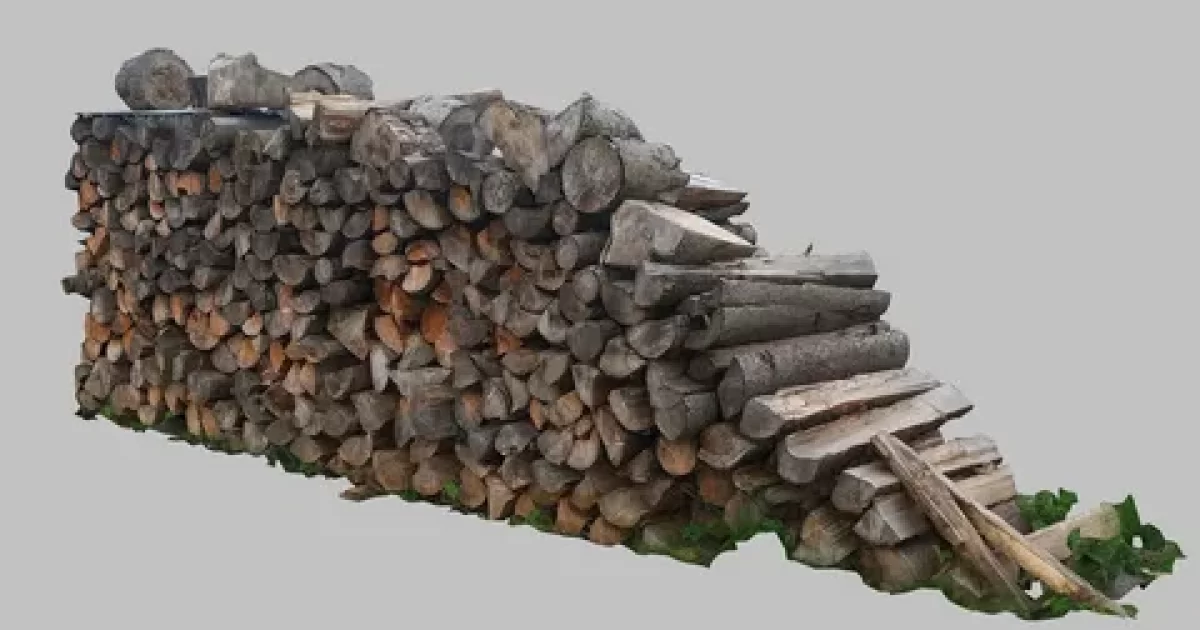
When winter hits Whanganui, having the right firewood whanganui can make a huge difference—not just in warmth, but also in how much you spend. Many people end up overpaying or buying low-quality wood that burns quickly and produces less heat. The good news? With a few smart choices, you can get more heat for less money.
Why Choosing the Right Firewood Matters
Not all firewood whanganui is created equal. The type and quality of wood you choose directly affect how long it burns, how much heat it produces, and how often you need to restock. Poor-quality or wet wood burns inefficiently, creates more smoke, and ultimately costs you more in the long run.
Types of Firewood Available in Whanganui
In Whanganui, you’ll typically find both softwood and hardwood options.
Softwoods like pine are cheaper and easier to ignite, making them great for starting fires. However, they burn quickly. Hardwoods such as gum or macrocarpa burn longer and produce more consistent heat, making them more cost-effective over time.
For the best results, many households use a mix of both.
How to Identify High-Quality Firewood
One of the biggest factors in firewood quality is moisture content. Dry (seasoned) wood burns hotter and cleaner than green (freshly cut) wood.
Look for these signs of good firewood:
- Cracks on the ends
- Lightweight compared to fresh wood
- A hollow sound when two pieces are knocked together
Buying dry wood might cost slightly more upfront, but it saves money by burning more efficiently.
Best Time to Buy Firewood in Whanganui
Timing matters. Firewood Whanganui prices often increase during peak winter demand. Buying in late summer or early autumn can save you a significant amount of money.
Early purchases also give you extra time to properly store and dry your wood, improving its performance when you need it most.
Tips to Get More Heat for Less Money
To maximise your firewood efficiency:
- Stack wood in a dry, ventilated area
- Keep it off the ground to avoid moisture
- Use kindling and softwood to start fires, then switch to hardwood
- Avoid overloading your fireplace—airflow is key
Small changes in how you use firewood can lead to big savings over time.
Firewood Pricing in Whanganui – What to Expect
Prices can vary depending on wood type, dryness, and delivery options. Hardwood typically costs more but lasts longer, offering better value.
Always check whether the price includes delivery and confirm the volume you’re getting. Some sellers may offer cheaper deals that actually provide less wood.
Where to Buy Firewood in Whanganui
You can find firewood Whanganui through local suppliers, online marketplaces, or community listings. A reliable seller should:
- Clearly state wood type and dryness
- Offer consistent measurements
- Have positive customer feedback
Don’t hesitate to ask questions before buying.
Common firewood Whanganui Buying Mistakes to Avoid
Many buyers make simple mistakes that cost them more:
- Buying wet wood at a low price
- Not checking the quantity properly
- Choosing price over quality
Avoiding these mistakes ensures you get better value for your money.
Final Thoughts
Getting the best firewood in Whanganui isn’t just about finding the cheapest option—it’s about choosing the right type, buying at the right time, and using it efficiently.
Plan ahead, choose seasoned wood, and follow smart burning practices. With these tips, you’ll stay warm all winter while keeping your costs under control.
Frequently Asked Questions
What is the best type of firewood in Whanganui?
Hardwood like gum and macrocarpa is generally the best choice because it burns longer and produces more heat. Softwood like pine is useful for starting fires but burns quickly.
How can I tell if firewood is dry?
Dry (seasoned) firewood whanganui usually has cracks on the ends, feels lighter, and makes a hollow sound when two pieces are knocked together. Wet wood is heavier and produces more smoke when burned.
When is the cheapest time to buy firewood in Whanganui?
The best time to buy firewood whanganui is during late summer or early autumn. Firewood Whanganui Prices tend to rise in winter due to higher demand.
Is it better to buy firewood in bulk?
Yes, buying in bulk is often cheaper per unit and ensures you have enough supply for the entire winter season.
How should I store firewood properly?
Store firewood in a dry, well-ventilated area, off the ground, and covered from rain. Proper storage helps maintain dryness and improves burning efficiency.
Why does my firewood produce a lot of smoke?
Excess smoke is usually caused by wet or unseasoned wood. Using dry wood and ensuring proper airflow in your fireplace can reduce smoke.