
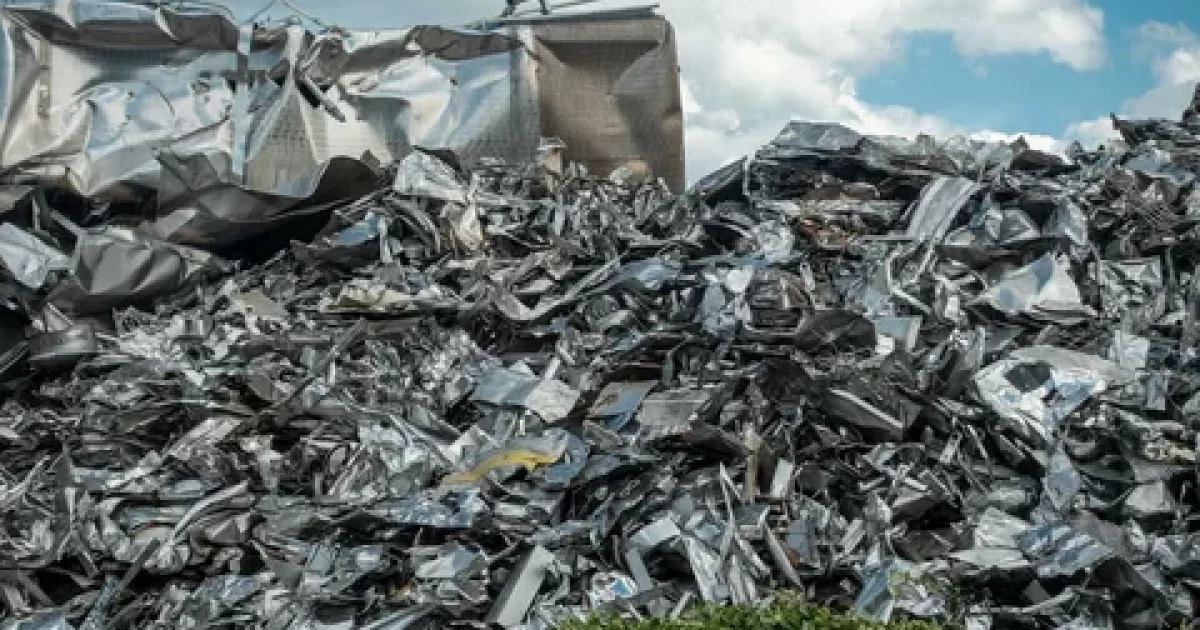
Scrap metal is no longer just waste—it’s an opportunity. In 2026, with rising global demand for recycled materials and increasing environmental awareness, scrap metal has become a valuable resource for individuals, small businesses, and industries alike. Whether you’re clearing out old items from your home or looking to build a side income, understanding how scrap metal works can help you turn unwanted materials into profit.
This guide walks you through everything you need to know—from current scrap metal prices and types to recycling tips and practical ways to make money.
What Is Scrap Metal and Why It Matters
Scrap metal refers to discarded metal materials that can be recycled and reused. Instead of ending up in landfills, these metals are processed and transformed into new products.
Environmental Benefits of Recycling Scrap Metal
Recycling metal plays a major role in reducing environmental damage:
- Saves natural resources by reducing the need for mining
- Uses significantly less energy compared to producing new metal
- Lowers greenhouse gas emissions
- Reduces landfill waste
Economic Importance
Scrap metal also fuels local and global economies. From construction to manufacturing, recycled metals are widely used because they are cost-effective and sustainable.
Types of Scrap Metal
Understanding the types of metal is essential because pricing and demand vary.
Ferrous Metals
Ferrous metals contain iron and are magnetic.
Common Examples:
- Steel
- Cast iron
- Wrought iron
These metals are widely available but usually have lower value due to their abundance.
Non-Ferrous Metals
Non-ferrous metals do not contain iron and are more valuable.
Common Examples:
- Copper
- Aluminum
- Brass
- Zinc
- Lead
These metals are in high demand because they resist corrosion and are widely used in electronics and construction.
Precious Scrap Metals
Some scrap contains small amounts of valuable metals.
Examples:
- Gold (in electronics)
- Silver
- Platinum
These are typically found in circuit boards, old phones, and industrial equipment.
Scrap Metal Prices in 2026
Metal prices fluctuate based on market demand, global supply, and economic conditions.
Factors Affecting Scrap Metal Prices
1. Global Demand
Industries like construction and manufacturing drive demand for recycled metals.
2. Metal Type
Non-ferrous metals like copper and aluminium fetch higher prices than steel.
3. Purity and Condition
Clean, sorted metals earn more than mixed or contaminated scrap.
4. Location
Prices can vary depending on your region and access to recycling facilities.
Average Price Trends (General Insight)
- Copper: High value, often the most profitable
- Aluminum: Moderate value, widely available
- Steel: Low value but high volume
- Brass: Good value due to copper content
Tip: Always check with local scrap yards for updated rates before selling.
How Scrap Metal Recycling Works
Understanding the recycling process helps you prepare your materials properly.
Step-by-Step Process
Collection
Scrap is gathered from homes, construction sites, and industries.
Sorting
Metals are separated based on type and quality.
Processing
Scrap is cleaned, shredded, or melted down.
Manufacturing
Recycled metal is used to create new products.
How to Make Money from Scrap Metal
Turning scrap into income doesn’t require a big investment—just knowledge and effort.
Find Valuable Scrap Sources
Household Items
- Old appliances
- Broken electronics
- Wiring and cables
Construction Waste
- Metal pipes
- Steel rods
- Aluminum sheets
Automotive Parts
- Batteries
- Radiators
- Engine components
Separate and Sort Your Scrap
Sorting your scrap increases its value. Keep different metals separate and remove non-metal materials like plastic or rubber.
Clean Your Materials
Clean metals fetch better prices. For example:
- Strip insulation from copper wires
- Remove screws or attachments
Sell to the Right Buyers
Compare rates from multiple scrap dealers. Some buyers specialise in certain metals and may offer better prices.
Start Small, Then Scale
Many people begin with small collections and gradually build a steady income stream by sourcing scrap regularly.
Smart Recycling Tips for Beginners
If you’re new to this, these tips can help you maximise profits and efficiency.
Know Your Metals
Learn to identify metals visually or with simple tools like magnets.
Track Market Prices
Prices change frequently, so timing your sale can increase profits.
Build Relationships with Scrap Dealers
Regular sellers often get better deals and insider tips.
Invest in Basic Tools
Helpful tools include:
- Gloves
- Wire cutters
- Magnet
- Scale
Stay organised.
Keep your scrap sorted and stored properly to save time and increase value.
Common Mistakes to Avoid
Even experienced scrappers can lose money by making simple errors.
Mixing Different Metals
This lowers the overall value and may result in lower payouts.
Ignoring Safety
Handling scrap metal without protection can lead to injuries. Always use gloves and proper equipment.
Selling Without Research
Not checking prices can result in selling at lower rates than market value.
Overlooking Small Items
Even small pieces of copper or brass can add up over time.
Is Scrap Metal a Good Business in 2026?
With growing environmental concerns and increasing industrial demand, scrap metal remains a profitable opportunity.
Advantages
- Low startup cost
- High demand
- Flexible work schedule
- Eco-friendly
Challenges
- Price fluctuations
- Physical labor
- Need for storage space
For those willing to put in consistent effort, scrap metal can be a reliable side hustle or even a full-time business.
Future Trends in Scrap Metal Recycling
The scrap industry is evolving with new technologies and global shifts.
Increased Automation
Advanced machines are improving sorting and processing efficiency.
Growing Demand for Green Materials
Industries are prioritising recycled materials to meet sustainability goals.
Digital Marketplaces
Online platforms are making it easier to connect buyers and sellers.
Conclusion
Scrap metal is more than just discarded material—it’s a valuable resource with real earning potential. By understanding metal types, staying updated on prices, and applying smart recycling strategies, you can turn waste into a steady income stream.
Frequently Asked Questions
What is scrap metal?
Scrap metal refers to leftover, discarded, or used metal that can be recycled and reused. It includes materials from old appliances, vehicles, construction waste, and electronics.
Which scrap metal is the most valuable?
Non-ferrous metals are typically the most valuable. These include:
- Copper
- Brass
- Aluminum (higher grades)
- Lead
Among these, copper usually offers the highest price due to its demand and conductivity.
How can I identify different types of scrap metal?
A simple way is to use a magnet:
- If the magnet sticks → it’s a ferrous metal (like steel)
- If it doesn’t stick → it’s non-ferrous (like copper or aluminum)
Colour, weight, and texture can also help in identification.
Where can I sell scrap metal?
You can sell scrap metal at:
- Local scrap yards
- Recycling centers
- Metal dealers
It’s a good idea to compare prices from multiple buyers before selling.
Do I need a licence to sell scrap metal?
This depends on your country or region. In some areas, small amounts can be sold without a licence, but larger operations or businesses may require registration or permits.
How are scrap metal prices determined?
Prices depend on several factors:
- Global market demand
- Type of metal
- Purity and condition
- Location and transportation costs