
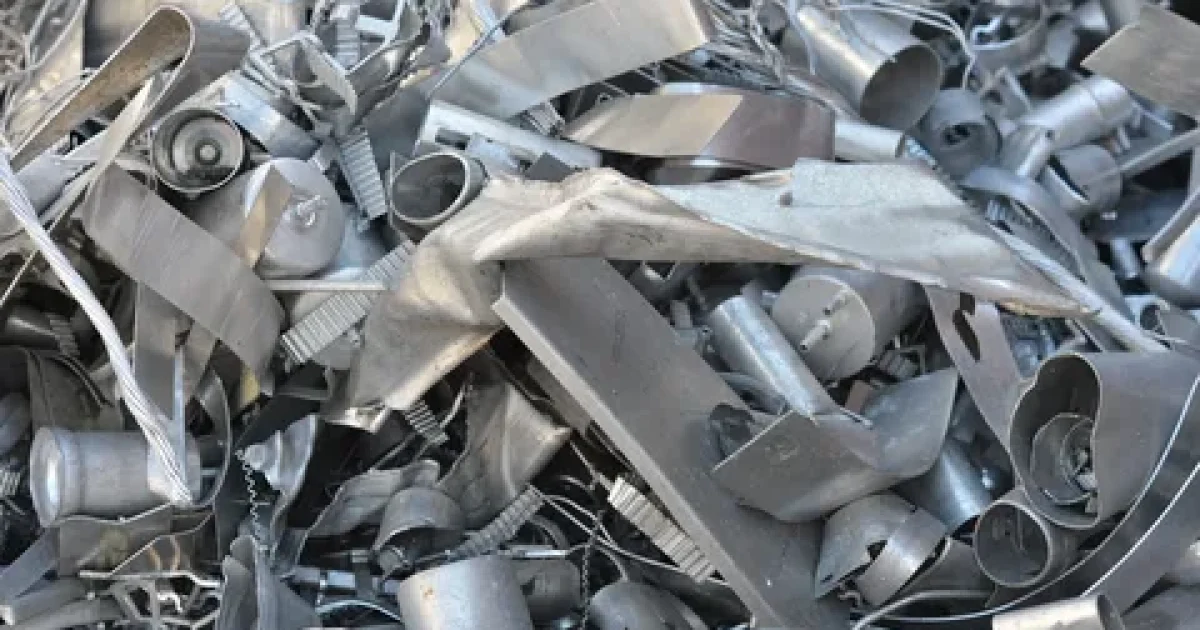
Sorting scrap metal correctly can make recycling easier, reduce material contamination and help you understand what you have before arranging collection. However, copper, brass and aluminium can sometimes look similar, particularly when they are dirty, painted or attached to other materials.
Learning how to sort scrap metals is a practical first step for homeowners, tradies, workshop owners and businesses looking to manage unwanted metal responsibly.
In this guide, you will learn how to recognise common metals, separate them safely and prepare them for recycling. If you have a large quantity of metal or heavy items that are difficult to move, you will also discover when a scrap metals removal service or scrap collection near Whanganui may be worth considering.
Why Is It Important to Sort Scrap Metals?
Not all scrap metal is the same. Different metals have different properties, recycling requirements and market values. Keeping materials separated can help recycling facilities identify and process them more efficiently.
Correct sorting can also help you avoid mixing valuable non-ferrous metals with ordinary steel or unwanted materials.
Here are some benefits of sorting scrap metal before collection:
Makes it easier to identify different metals types.
Helps reduce contamination from plastic, rubber and other materials.
Makes it easier for a recycler to assess your load.
Can help you understand potential scrap value.
Simplifies preparation for a collection or drop-off.
If you are planning a scrap metals pickup in Whanganui, separating identifiable materials before the collection may make the process more straightforward. Always confirm the provider’s sorting requirements first.
How to Identify Copper, Brass and Aluminium
Copper, brass and aluminium are common non-ferrous metals. They are generally not attracted to an ordinary magnet, although coatings, attached steel components and mixed-metal assemblies can affect a simple magnet test.
Colour, weight and the item’s original use can provide useful clues, but none of these methods is conclusive on its own.
How to Identify Copper Scrap
Copper typically has a reddish-brown colour when clean. Over time, exposure to air and moisture can cause it to darken or develop a greenish surface layer.
Common sources of copper scrap include:
- Copper plumbing pipes.
- Electrical wire and cable.
- Copper fittings and connectors.
- Some heat exchangers and metal components.
How to sort copper scrap:
- Look for the characteristic reddish colour on an existing exposed surface.
- Separate copper items from brass, aluminium and steel.
- Keep clean copper separate from insulated wire, soldered fittings and mixed-metal pieces.
- Label uncertain materials for inspection by the recycler.
Do not burn cable insulation or strip unfamiliar electrical components using unsafe methods. Never cut into live wiring, and arrange appropriate professional assistance when electrical hazards may be present.
How to Identify Brass Scrap
Brass is an alloy made primarily from copper and zinc. It often has a yellow or golden colour, although some brass alloys appear darker or more reddish.
Common brass items include:
- Plumbing taps and fittings.
- Valves and connectors.
- Decorative hardware.
- Certain instrument components.
How to sort brass scrap:
- Check the item’s colour and appearance.
- Look for identifiable fittings, markings or manufacturer information.
- Separate brass components from copper pipes and steel attachments where this can be done safely.
- Keep mixed or uncertain alloys in a separate container.
Brass and other copper alloys can look alike. Avoid relying on colour alone, particularly when dealing with plated objects or components that may contain several metals.
How to Identify Aluminium Scrap
Aluminium is generally lightweight and has a silvery-grey appearance. It is widely used in products where low weight and corrosion resistance are useful.
Common aluminium scrap includes:
- Window and door frames.
- Aluminium sheet and offcuts.
- Vehicle wheels and certain automotive components.
- Selected machinery parts.
- Aluminium drink cans.
How to sort aluminium scrap:
- Check for a lightweight, silvery appearance.
- Separate aluminium from steel screws, brackets and other attached materials where practical.
- Keep clean aluminium separate from painted, coated or mixed-metal items.
- Avoid assuming that every lightweight silver-coloured object is aluminium.
Different aluminium alloys and products may be graded differently by scrap buyers. A recycler can confirm how particular items should be classified.
A Quick Comparison of Copper, Brass and Aluminium
| Feature | Copper | Brass | Aluminium |
|---|---|---|---|
| Typical colour | Reddish-brown | Yellow or golden | Silvery-grey |
| Relative weight | Relatively heavy | Relatively heavy | Lightweight |
| Common items | Pipes, wire | Taps, valves | Frames, cans |
| Magnet test | Usually not attracted | Usually not attracted | Usually not attracted |
| Sorting tip | Separate wire and fittings | Separate from copper | Check for steel attachments |
These characteristics are useful for initial sorting, not definitive identification. Coatings, alloys and mixed components can make visual identification difficult.
Step-by-Step Guide: How to Sort Scrap Metals Safely
Once you have identified the main materials, follow a simple sorting process.
Gather and Inspect the Items
Collect the scrap in a clear working area and inspect it before handling. Look for sharp edges, unstable objects, electrical hazards and unknown substances.
Wear suitable gloves, protective footwear and eye protection when appropriate.
Separate Ferrous and Non-Ferrous Metals
Ferrous metals contain iron and often include steel and cast iron. An ordinary magnet can help identify many ferrous items.
Copper, brass and aluminium are generally non-ferrous. However, a magnet test should only be used as a screening method because some stainless steels behave differently, and a finished item may contain several materials.
Create Separate Material Groups
Where you can identify materials confidently, use separate containers or clearly marked areas fo
- Copper.
- Brass.
- Aluminium.
- Steel and iron.
- Mixed or unidentified metal.
Keeping uncertain items separate prevents accidental mixing and allows a recycler to inspect them.
Remove Loose Non-Metals Attachments When Safe
Plastic covers, rubber pieces and loose non-metal attachments may affect how an item is accepted or graded.
Remove only parts that can be detached safely without specialist tools. Do not dismantle pressurised containers, electrical equipment or hazardous components.
Keep Scrap Dry and Organised
Store the sorted material in a stable location where it will not obstruct walkways or create a handling hazard. Keep sharp items contained and prevent loose metal from falling or blowing away.
If you are preparing a large load for collection, take photographs and estimate the quantity of each material group before requesting a quote.
What Affects Scrap Metals Value?
The value of scrap metals depends on more than its colour or weight. Buyers may assess the type of metal, grade, cleanliness, quantity and current market conditions.
Factors that can affect the amount offered include:
Metal type: Copper, brass and aluminium have different market values.
Grade and purity: Materials with fewer unwanted attachments may qualify for a different grade.
Weight and quantity: Larger loads may change the practical collection arrangements.
Contamination: Mixed materials, coatings and non-metal attachments may affect grading.
Collection requirements: Transport, labour and access can influence the overall cost.
If you want to understand the scrap metals collection cost, ask the provider whether it purchases the material, charges a collection fee or offers a quote based on the job. Do not assume that every collection is free or that every type of scrap has a guaranteed payout.
When to Arrange a Scrap Metal Removal Service
Transporting a few small pieces of scrap yourself may be straightforward if you have a suitable vehicle and can load the material safely. Larger loads, however, can be more difficult to manage.
A scrap metals removal service may be useful when you have:
- Heavy machinery or bulky metal components.
- Large quantities of scrap from renovations or workshop work.
- Metal stored in a difficult-to-access area.
- Limited vehicle space or no suitable trailer.
- A property, farm or commercial site that needs clearing.
For larger items, a bulky metal pickup can be a practical option if the provider accepts the material and has suitable collection equipment.
Before booking, explain the type and approximate quantity of metal, the location of the items and any access restrictions. Ask whether loading, transport and other charges are included in the quote.
Finding Scrap Collection Near Whanganui
If you live or work in the Whanganui area, check which local metal recyclers accept your materials and whether they provide collection services.
For example, Molten Metals lists a Wanganui depot and a full collection service. Contact the provider directly to confirm current arrangements, accepted materials and pricing.
When comparing scrap collection near Whanganui, consider:
- Whether copper, brass and aluminium are accepted.
- Whether collection is available at your address.
- Whether bulky or heavy items can be collected.
- How material grading and payment are handled.
- Whether the quote includes transport and loading.
For household packaging, note that the Whanganui District Council’s kerbside recycling rules are different from scrap metal dealer services. The council lists aluminium drink cans among accepted kerbside items but excludes several other metal household items from its standard collection. Check the official Whanganui kerbside recycling guidance before putting household items out for collection.
Common Scrap Metals Sorting Mistakes to Avoid
Even a well-intentioned sorting effort can cause problems if materials are mixed or handled unsafely.
Avoid these common mistakes:
- Mixing all metals together: Separate identifiable materials before collection where practical.
- Judging metal by colour alone: Paint, plating and corrosion can be misleading.
- Assuming every non-magnetic item is aluminium: Copper, brass and other metals can also pass a basic magnet test.
- Burning insulation off wire: This can release hazardous fumes and create a fire risk.
- Dismantling unsafe equipment: Batteries, electrical components and pressurised items may require specialist handling.
- Assuming a pickup will be free: Confirm collection fees and any payment arrangements in advance.
If you cannot identify a metal confidently, ask the recycler to assess it rather than attempting risky tests or dismantling.
Frequently Asked Questions
How do I start learning how to sort scrap metals?
Begin by separating clearly identifiable copper, brass, aluminium and steel items. Use colour, weight, the item’s original purpose and a basic magnet test as clues, then ask a recycler to verify uncertain materials.
Is copper worth more than brass or aluminium?
Their relative values vary with market conditions, material grade, cleanliness and buyer requirements. Request current quotes from local recyclers rather than relying on a fixed price comparison.
Can I mix copper, brass and aluminium in one collection?
Some providers may accept mixed loads, but separate material groups can make assessment and grading easier. Confirm the provider’s requirements before collection.
Does a scrap metal removal service collect heavy items?
Some providers offer collection for heavy or bulky metal, subject to location, access, item type and equipment requirements. Describe the items when requesting a quote.
How can I find out the scrap metals collection cost in Whanganui?
Contact local recyclers with details of the metals types, estimated quantity, collection address and access conditions. Ask whether loading and transport are included and whether eligible scrap may receive payment.
Conclusion
Learning how to sort scrap metals starts with recognising the differences between copper, brass and aluminium. Separate identifiable materials, keep mixed items aside and follow safe handling practices before taking scrap to a recycler or arranging collection.
If you have heavy items, a large quantity of metal or limited transport options, a scrap metals removal service may help simplify the job. Compare providers, confirm accepted materials and ask for a clear quote before booking.
For people in the local area, exploring scrap collection near Whanganui can help you find a suitable option for your metal recycling needs.