
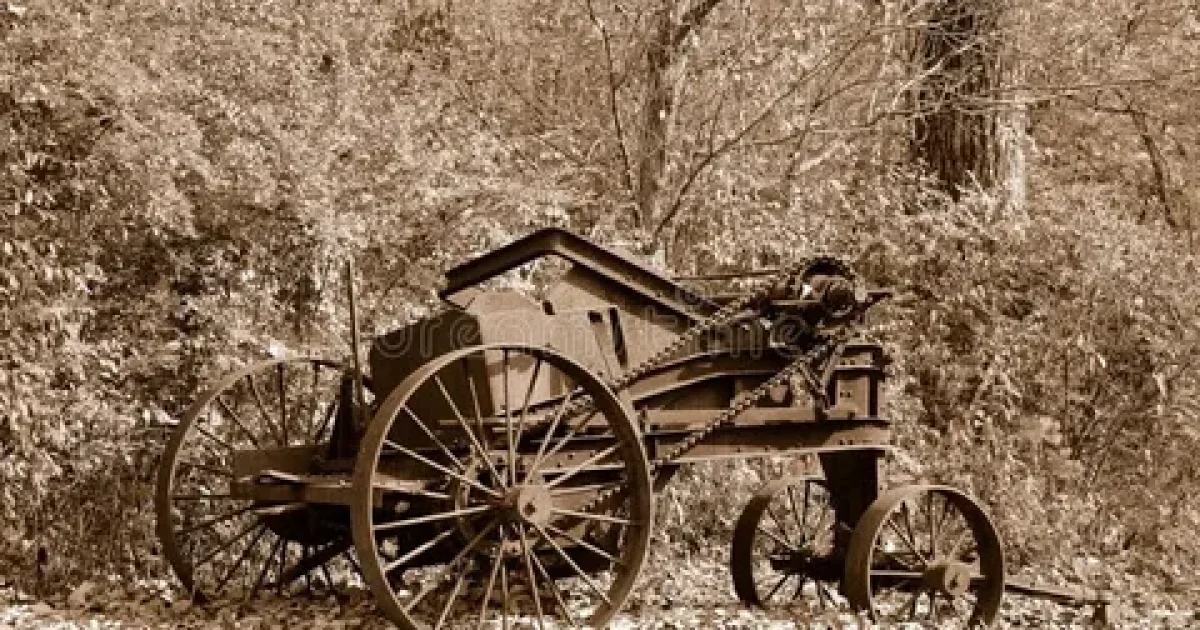
Old farm machinery and agricultural implements can often be collected and recycled as scrap metal. From outdated tractors and ploughs to broken cultivators, harvesters, trailers, and other farming equipment, many agricultural items contain valuable metals that can be recovered and reused.
If you have unused, damaged, or obsolete farming equipment taking up space on your property, farm machinery scrap metal collection can be a practical way to clear valuable yard space while supporting responsible metal recycling.
In this guide, we explain which types of old farm machinery can be collected as scrap metal, how the collection process works, and what to consider before arranging a collection.
What Types of Old Farm Machinery Can Be Collected as Scrap Metal?
Many types of agricultural machinery and implements can be suitable for scrap metal collection, depending on their condition, materials, accessibility, and local recycling requirements.
Common examples include:
Old tractors: Non-running, damaged, or obsolete tractors may contain recoverable steel, iron, aluminium, and other metal components. Scrap Metal.
Ploughs and cultivators: These implements often contain heavy steel parts that can be recycled.
Harrows and seed drills: Scrap metal collectors may accept broken or unwanted agricultural implements.
Harvesters and combine harvesters: End-of-life harvesting machinery can contain substantial quantities of recyclable metal.
Farm trailers: Unused or damaged trailers may be suitable for metal recovery Old Farm Machinery.
Balers and hay-making equipment: Obsolete balers, mowers, and related machinery may also be collected.
Metal gates, frames, and farm equipment: Certain steel and iron items associated with agricultural operations can be recycled alongside larger machinery.
Acceptance depends on the collector’s capabilities and the equipment’s condition. Machinery containing fuel, oils, batteries, tyres, hydraulic fluids, or other non-metal materials may require additional handling before recycling.
How Does Farm Machinery Scrap Metal Collection Work?
Arranging a collection for unwanted agricultural machinery is generally straightforward when the equipment is accessible and its condition is clearly described.
Identify the Machinery for Collection
Make a list of the unwanted machinery and implements you want removed. Include the type of equipment, approximate size, condition, and whether it is complete or dismantled.
Check the Metal and Equipment Condition
Scrap metal collectors may assess the amount and type of recoverable metal, along with the presence of non-metal components. Steel and iron are common materials in agricultural equipment, while some machinery may also contain aluminium, copper, and other recyclable metals.
Arrange a Site Assessment or Collection
Depending on the equipment’s size and location, a collector may request photographs, arrange a site visit, or provide a collection estimate based on the information supplied.
Prepare for Safe Removal
Large agricultural machinery may require specialist lifting equipment, suitable transport, or professional dismantling. Ensure the machinery is accessible and disclose any hazardous materials or mechanical issues before collection.
Transport the Machinery for Recycling
Once collected, the equipment can be transported to an appropriate recycling facility, where recyclable materials are separated and processed according to applicable requirements.
Why Choose the Old Farm Machinery Scrap Metal Collection?
Unwanted farm machinery can occupy valuable storage space and become increasingly difficult to manage over time. Professional scrap metal collection offers several potential benefits.
Free Up Valuable Farm Space
Removing obsolete tractors, implements, and metal equipment can help make yards, barns, workshops, and storage areas more organised and accessible.
Support Responsible Metal Recycling
Recycling suitable agricultural equipment allows valuable metals to be recovered and used in manufacturing new products, helping reduce the demand for newly extracted raw materials.
Reduce Unwanted Equipment Accumulation
Arranging the removal of broken or obsolete machinery can make it easier to maintain a tidy and functional farm environment.
Explore Potential Scrap Metal Value
Some old machinery may have scrap value depending on its weight, metal composition, condition, transport requirements, and current market prices. However, not every collection is free, and some items may involve removal or processing charges.
What Should You Check Before Booking a Scrap Metal Collection?
Before arranging farm machinery scrap metal collection, consider the following points:
Collection eligibility: Confirm that the collector accepts the specific machinery or agricultural implements you have.
Access to the equipment: Check whether the machinery can be safely reached and loaded.
Collection costs: Ask whether transport, dismantling, lifting, or other charges apply.
Ownership and documentation: Ensure you have the legal right to dispose of the equipment and can provide any required paperwork.
Hazardous materials: Disclose batteries, oils, fuel, refrigerants, hydraulic fluids, and other potentially hazardous components.
Environmental compliance: Confirm that the equipment will be handled and recycled in accordance with applicable local regulations.
For large or immobile machinery, avoid attempting to dismantle heavy components without suitable equipment and trained personnel.
Can You Get Money for Old Farm Machinery as Scrap Metal?
In some cases, yes. Old farm machinery may have scrap metal value, particularly when it contains significant quantities of recyclable steel, iron, aluminium, or copper.
The amount offered will depend on several factors, including:
The total weight of recoverable metal.
The types and grades of metal present.
The condition and completeness of the machinery.
The cost of collection, loading, and transportation.
Current scrap metal market prices.
Some complete or repairable machines may also be worth more through resale or parts recovery than through scrap recycling alone. Comparing these options before disposal can help you make a more informed decision.
Arrange Farm Machinery Scrap Metal Collection
If you have old tractors, broken agricultural implements, obsolete harvesters, or unwanted metal farm equipment, the first step is to identify what needs removing and contact a suitable scrap metal collection service.
Provide clear photographs, the machinery’s location, approximate dimensions, and details about its condition. This information can help the collector determine whether the equipment can be accepted and what arrangements may be required.
Looking to clear unwanted agricultural machinery? Contact a suitable local scrap metal collection service to discuss your equipment, collection requirements, and any potential recycling value.
Conclusion
Old farm machinery and agricultural implements can often be collected and recycled as scrap metal, providing a practical solution for managing obsolete equipment and recovering valuable materials. Whether you need to remove an old tractor, broken plough, unused trailer, or collection of redundant farm implements, checking the equipment’s suitability and arranging safe transport are important first steps.
Choose a suitable collection service that explains its acceptance criteria, pricing, and recycling process so you can make an informed decision about your unwanted farm machinery.
Frequently Asked Questions
Can old farm machinery be collected as scrap metal?
Yes. Many old tractors, ploughs, cultivators, trailers, harvesters, and other agricultural implements can be collected for scrap metal recycling, subject to the collector’s acceptance criteria.
Do scrap metal collectors accept broken farm equipment?
Many collectors accept damaged or non-operational equipment. However, acceptance depends on the machinery’s materials, accessibility, condition, and the collector’s handling capabilities.
Is farm machinery scrap metal collection free?
Not always. Some services may offer free collection for suitable loads, while others charge for transport, dismantling, or specialist lifting. Confirm all costs before booking.
Which metals can be recovered from old agricultural machinery?
Depending on the equipment, recyclable materials may include steel, iron, aluminium, and copper. Other components may need to be separated and handled independently.
Should I dismantle old farm machinery before collection?
Not necessarily. Some collectors prefer to assess or remove machinery intact, while others may require specific preparation. Heavy machinery should only be dismantled by suitably trained personnel using appropriate equipment.
What information should I provide when requesting collection?
Provide the machinery type, approximate size, condition, location, access details, and photographs if available. Mention any batteries, fluids, or other potentially hazardous components.