
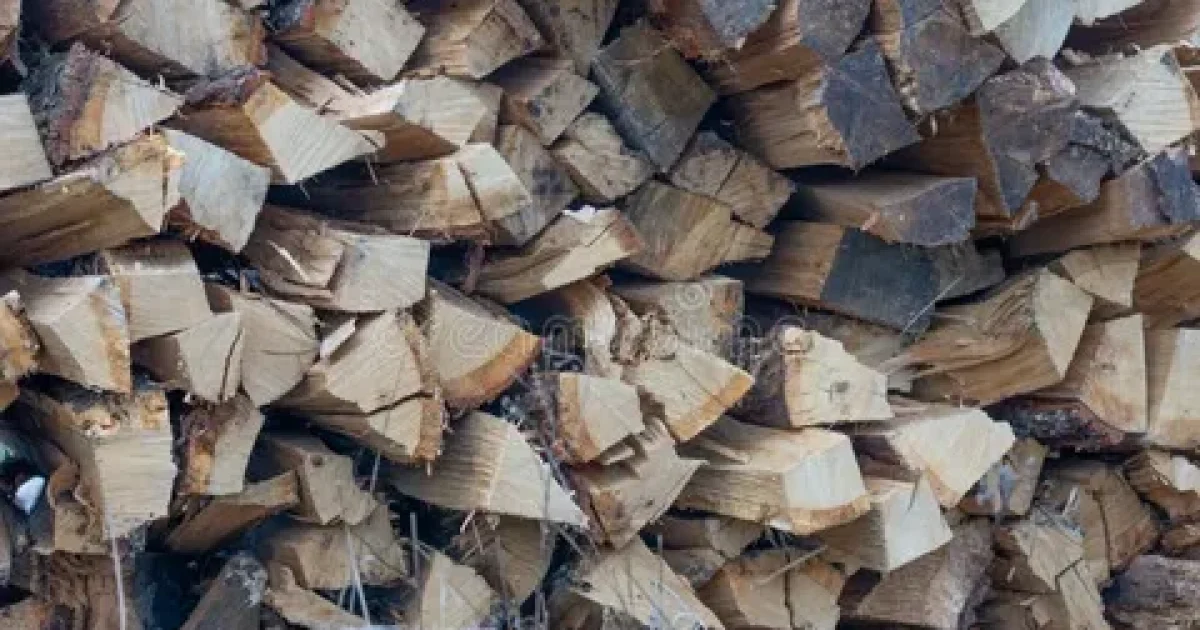
If you’re buying firewood in Whanganui for winter, the most important thing to look for is simple: wood that is properly dry, seasoned, clean, and suitable for your fire or wood burner.
The type of wood matters too, but even a good hardwood won’t perform well if it’s still wet inside. Wet logs are harder to light, produce more smoke, and don’t give you the same useful heat as properly dried firewood.
Whether you’re heating a family home, a rural property, a farm building, or a business, buying the right wood before winter can make a noticeable difference.
What makes good firewood?
Good firewood doesn’t have to be complicated. Before ordering a load, look for wood that is:
Properly seasoned and dry firewood in Whanganui
Split to a practical size
Clean and free from rubbish
Untreated and suitable for burning
Stored where it can stay reasonably dry
The right size for your wood burner or fireplace
If you’re comparing local suppliers, don’t be afraid to ask questions about the wood. A good supplier should be able to tell you what you’re buying and whether it’s ready to burn Firewood in Whanganui.
Why dry firewood in Whanganui burns better
One of the biggest mistakes people make is buying wood that looks dry on the outside but is still wet in the middle.
Freshly cut timber contains a lot of moisture. When you put it on a fire, some of the heat is used to drive that moisture out instead of heating your room.
You may notice:
Logs taking longer to catch
Hissing or steaming from the wood
More smoke
Less heat
A fire that struggles to stay going
More deposits building up in the flue
New Zealand’s Ministry for the Environment recommends using dry, seasoned, and non-treated firewood. Dry wood burns more efficiently and produces less smoke than wet wood.
What does seasoned firewood actually mean?
“Seasoned” simply means that the wood has been given time to dry after being cut and, usually, split.
But seasoning isn’t just about leaving a pile of logs outside and waiting for a particular number of months.
The drying time depends on things such as:
The type of timber
How large the logs are
Whether they’re split
How much airflow they get
How they’re stored
The weather conditions
A large unsplit round can stay damp in the middle long after the outside feels dry.
That’s why seasoned firewood should ideally be checked rather than judged by appearance alone.
How can you tell if firewood is dry?
You don’t need to be a firewood expert to make a few useful checks.
Check a freshly split log Firewood in Whanganui
The outside of a log can be misleading. If possible, look at the freshly exposed inside of a split piece.
A moisture meter can give you a much better indication of whether the timber is ready to burn.
Look at the ends
Drying wood often develops cracks across the ends. This can be a useful sign, although cracks alone don’t prove that the wood is dry enough.
Notice the weight
Wet wood is heavier because of the water it contains. As it dries, it becomes noticeably lighter.
This can help if you’re familiar with the difference, but it’s still not as reliable as actually measuring moisture.
Ask the supplier
Probably the easiest option is to ask.
If you’re arranging dry firewood delivery, ask whether the load is ready to burn now or whether it needs additional drying.
It’s also worth asking how the supplier stores the wood before delivery.
Which firewood in Whanganui is best for winter?
There’s no single type of firewood that will be perfect for every household.
Different species behave differently. Some are easier to light and burn faster, while denser woods generally provide longer-lasting heat.
Dense hardwood
Hard, dense timber is often a good choice when you want a fire that lasts.
It can be useful for maintaining steady warmth once the fire is properly established.
However, don’t assume that hardwood automatically means better firewood. A wet hardwood log can be frustrating to burn.
Softer wood
Softer timber can be useful for getting a fire started because it tends to catch more readily and burn faster.
Some households like having a mixture of smaller, easier-burning pieces and denser logs for maintaining the fire.
The practical approach
Rather than becoming too focused on one particular species, ask yourself what you actually need.
If you’re lighting the fire every evening, you may want wood that starts easily but also gives you a decent burn time. If you’re only using the fire occasionally, your requirements may be different.
The best choice is dry wood that suits your appliance and the way you use it.
Buying firewood in Whanganui: questions worth asking
When you’re looking at firewood suppliers in Whanganui, price is only one part of the comparison.
A cheaper load isn’t necessarily cheaper if much of it is too wet to burn properly.
Before ordering, ask:
Is it ready to burn?
This should be one of your first questions.
If the answer is that it needs another few months of seasoning, you’ll need somewhere suitable to store it.
How has it been stored?
Wood that’s been sitting exposed to rain can pick up moisture again.
Ask whether the supplier keeps the timber under cover while still allowing airflow.
Is it split?
Split timber generally dries more readily than large rounds and is usually easier to handle at home.
What size are the pieces?
Measure the firebox on your wood burner before ordering.
There’s little benefit in receiving a load full of pieces that are too large for your appliance.
How is the firewood in Whanganui measured?
This is an easy detail to overlook.
Firewood can be sold using different volume descriptions, so ask the supplier exactly what the quoted quantity represents. A load described by loose or thrown volume won’t necessarily occupy the same space once the logs are stacked.
Knowing this makes it much easier to compare prices between suppliers.
What to check when your firewood in Whanganui is delivered
When your delivery arrives, have a quick look through the load before stacking everything away.
You’re looking for reasonably consistent pieces that match what you ordered.
Keep an eye out for:
Very wet or freshly cut logs
Oversized rounds
Rubbish mixed into the load
Painted or treated timber
Excessive amounts of unsuitable material
If you’ve ordered seasoned wood, don’t hesitate to contact the supplier if the load appears significantly different from what was described.
How to store firewood in Whanganui properly
Good firewood can become wet again if it’s stored badly.
Ideally, keep your wood:
- Off the ground
- Protected from rain
- In a place with good airflow
- Conveniently accessible during winter
A roof or cover is useful, but avoid wrapping the whole pile so tightly that moisture becomes trapped.
A simple raised base with a roof or suitable cover can work well.
If you have room, keep newer wood separate from wood that’s already dry and ready to use. That makes it easier to know which logs should go on the fire.
Don’t burn the wrong timber.
Not every piece of wood you find around a property belongs in a fireplace.
This is especially important for people doing renovations, building work or property clearing.
Avoid treated timber
Old fence posts, construction timber and other materials may have been chemically treated.
Treated timber should not be burned in a domestic wood burner.
Painted, coated or otherwise contaminated timber should also be kept out of your fire.
Don’t burn rubbish
Plastic, household waste and other rubbish don’t belong in a wood burner.
If you’re clearing a property and have a mixture of timber, metal and general waste, keep the materials separated rather than treating everything combustible as firewood.
What if you have trees or timber from property clearing?
If you’ve recently had trees removed from a property, you may have a useful supply of future firewood.
But freshly cut timber isn’t automatically ready to burn.
Large rounds may need to be cut and split before they can dry properly. Give the wood suitable storage and enough time to season.
This can be particularly useful for rural properties and lifestyle blocks where there is enough space to process and store timber.
Just remember that not all tree-clearing material is suitable for household fires. Separate unsuitable timber and other waste before stacking your firewood.
Firewood for homes, farms, and businesses
Different properties have different heating needs.
For homeowners
If your wood burner is used regularly, consistency is valuable.
You want wood that is dry, manageable in size, and easy to store. Ordering ahead of the coldest part of winter also gives you more time to organize your supply.
For farmers and rural properties
If you have access to timber on your own property, processing it yourself can make sense.
Just don’t underestimate the space and time needed for drying.
A pile of freshly cut logs may look like a lot of firewood, but it isn’t necessarily a ready-to-use winter supply.
For builders and contractors
Be careful with construction offcuts.
Timber from building work may contain paint, coatings, adhesives, or treatment. Don’t assume that because a piece of timber is dry firewood in Whanganui, it is suitable for burning.
For businesses
If a fire is part of your regular heating setup, running out of suitable fuel in the middle of winter is inconvenient.
Planning deliveries and having a dry storage area can make things much easier.
How to get more heat from your firewood in Whanganui
Even good firewood can perform poorly if the fire isn’t operated correctly.
Start with dry kindling and smaller pieces to establish a good fire. Once it’s burning well, add appropriately sized logs according to the instructions for your appliance.
Avoid deliberately starving the fire of air just to make the wood last longer. Smouldering fires can create more smoke and aren’t an efficient way to heat your property.
It’s also important to keep your wood burner and flue maintained according to the manufacturer’s recommendations.
How much firewood do you need?
There’s no useful single answer for every Whanganui home.
Your requirements depend on things such as:
- The size of your house
- Insulation
- Your wood burner’s efficiency
- How often you use it
- Whether it’s your main heating source
- The type and dryness of your wood
- How warm you like to keep the house
One of the easiest ways to estimate future requirements is to look at what you actually used last winter.
If you went through two loads and had some left over, that’s more useful information than a generic estimate from someone who doesn’t know your property.
A simple checklist before ordering
Before you arrange your next load, run through these questions: Firewood in Whanganui
Wood
- Is it genuinely dry?
- Is it seasoned?
- Is it clean and untreated?
- Is it suitable for my fire?
Size
- Are the logs split?
- Will they fit my firebox?
- Is the load reasonably consistent?
Quantity
- How is the load measured?
- Is the quoted quantity loose or stacked?
- Are delivery charges included?
Storage
- Do I have somewhere dry and ventilated to keep it?
- Can I keep the wood off the ground?
Supplier
- Can they explain where the wood comes from and how it has been seasoned?
- Do they deliver to my part of Whanganui?
Taking five minutes to ask these questions can save you from ending up with a load that isn’t ready for the fire.
What about wood burner rules in New Zealand?
Firewood in Whanganui isn’t the only thing to consider when using a wood burner.
New Zealand has national requirements relating to wood burners and air quality, and local requirements can also apply. The Ministry for the Environment maintains current information about authorized wood burners and the relevant national standards.
Rules can change, so if you’re installing or replacing a wood burner, check the current requirements rather than relying on an old listing, previous owner’s advice, or information from years ago.
For local council information, you can also check the current Whanganui District Council rules that apply to your property.
Final Thoughts
Choosing firewood in Whanganui doesn’t need to be complicated.
For most people, the priorities are dryness, cleanliness, suitable size and reliable supply. Once you have those basics right, choosing between different types of timber becomes much easier.
If you’re looking for firewood around Whanganui, speak with local suppliers about what’s currently available, whether the wood is ready to burn, how it has been stored, and what delivery options are available.
And if you’re clearing a property at the same time, remember to keep firewood separate from treated timber, metal and general waste.
Frequently Asked Questions
What is the best firewood for winter in Whanganui?
The best option is generally clean, dry, and properly seasoned wood that is suitable for your particular wood burner or fireplace. Denser woods can provide longer burns, while lighter woods can be useful for getting a fire started.
How do I know if firewood is seasoned?
Look for signs such as cracks on the ends and lighter weight, but don’t rely on appearance alone. A moisture meter or clear information from the supplier gives you a better indication.
Can I burn freshly cut wood?
It’s generally better to let freshly cut wood dry and season before burning it. Green wood contains more moisture and usually doesn’t burn as efficiently.
Is pine suitable for firewood in Whanganui?
Properly dried pine can be used as firewood in Whanganui and can be useful for starting or maintaining a fire. It generally burns faster than denser hardwoods, so how you use it matters.
Can I burn old fence posts?
Only if you are certain they are untreated and suitable for burning. If the timber has been chemically treated, painted or otherwise contaminated, it shouldn’t go into your domestic fire.
How long should firewood season?
There isn’t one fixed seasoning period that applies to every type of wood. Drying depends on the species, size, splitting, airflow, storage, and weather. The condition of the wood is more useful than relying on a specific number of months.
When should I order firewood?
If you rely on your fire during winter, it’s sensible to organize your supply before you actually need it. This also gives you time to check the wood and arrange proper storage for firewood in Whanganui.