
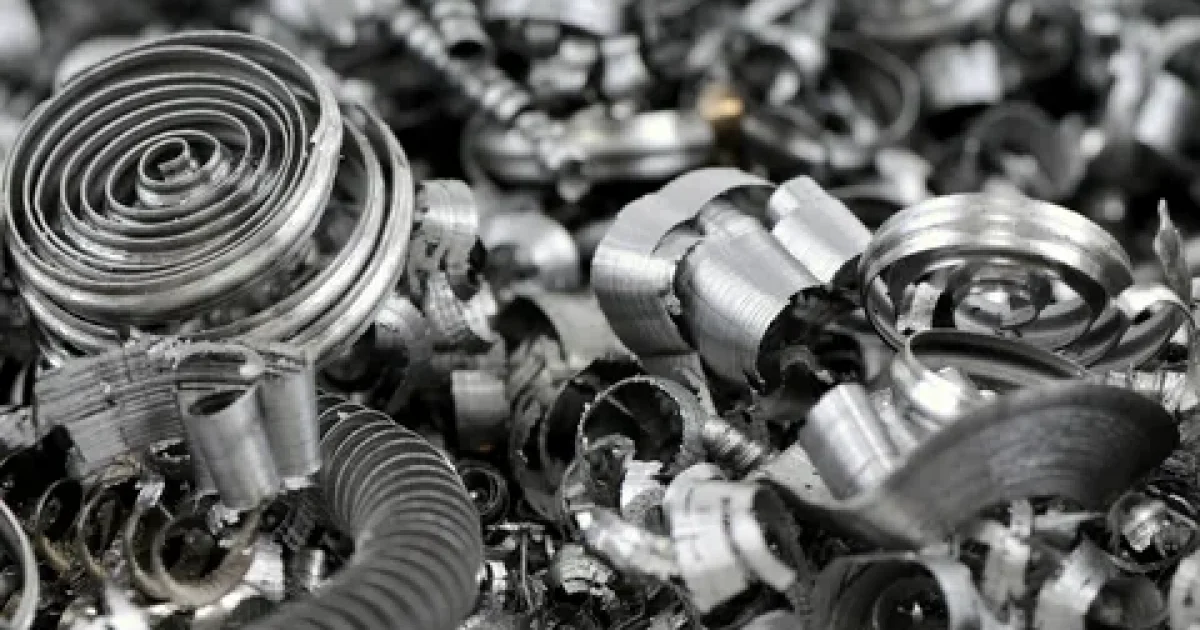
Scrap metal is often easy to overlook. It may sit in a garage, warehouse, backyard, job site, workshop, or storage area for months without being used. Old appliances, copper wire, aluminum parts, steel pipes, broken tools, car parts, and leftover construction materials can take up valuable space. Instead of letting these items collect dust, scrap metal recycling gives you a practical way to clear clutter, support the environment, and earn money from materials you no longer need.
When people search for scrap metal recycling or “sell scrap metal near you,” they are usually looking for a simple solution. They want to know what metals are accepted, how the recycling process works, where to take scrap, and how to get fair value for their materials. Whether you are a homeowner cleaning out a property, a contractor managing job site waste, or a business with regular metal scrap, recycling can be a smart and responsible choice.
Scrap metal has value because many metals can be processed and reused again and again. Instead of sending usable material to a landfill, recycling allows it to return to manufacturing, construction, automotive, and industrial use. That makes scrap metal recycling useful for your wallet and better for the planet.
What Is Scrap Metal Recycling?
Scrap metal recycling is the process of collecting, sorting, processing, and reusing metal materials that are no longer needed in their current form. These materials may come from homes, businesses, demolition sites, factories, farms, vehicles, appliances, and construction projects.
Once scrap metal reaches a recycling facility or scrap yard, it is usually separated by type, cleaned if needed, weighed, and prepared for processing. The metal may be cut, compacted, shredded, melted, and turned into raw material that manufacturers can use to create new products.
Why Scrap Metal Is Worth Recycling
Metal is one of the most recyclable materials available. Many metals do not lose their core properties when recycled, which means they can be reused multiple times without becoming useless. This makes recycling metal more efficient than constantly mining and producing new raw materials.
Recycling scrap metal also helps reduce waste, lower energy use, and support industries that rely on recycled materials. For individuals and businesses, it offers another benefit: scrap metal can often be sold for cash depending on the type, weight, condition, and current market demand.
Common Types of Scrap Metal You Can Sell
Not all scrap metal is the same. Some metals are worth more than others, and scrap yards often separate materials into different categories. Understanding the difference can help you sort your scrap properly and get a better idea of what you have.
Ferrous Scrap Metal
Ferrous metals contain iron and are usually magnetic. These metals are common in construction, machinery, vehicles, fencing, shelving, tools, and household items. Steel and cast iron are two common examples.
Ferrous metal may not always bring the highest price per pound, but it is often available in larger quantities. If you have old beams, pipes, appliances, filing cabinets, metal frames, or heavy equipment parts, you may have a good amount of recyclable ferrous scrap.
Examples of Ferrous Metals
Common ferrous scrap includes steel, iron, cast iron, stainless steel, rebar, metal siding, car parts, appliances, and structural metal. A simple magnet test can help identify many ferrous materials because iron-based metals usually attract magnets.
Non-Ferrous Scrap Metal
Non-ferrous metals do not contain iron and are usually not magnetic. These metals are often more valuable than ferrous metals because they are widely used, durable, and in demand.
Copper, aluminum, brass, bronze, lead, and certain types of stainless steel can fall into this category. Non-ferrous scrap is commonly found in wiring, plumbing, gutters, radiators, motors, fixtures, wheels, cans, and electrical components.
Examples of Non-Ferrous Metals
Popular non-ferrous scrap includes copper wire, copper pipe, aluminum siding, aluminum wheels, brass fittings, bronze parts, lead weights, radiators, electric motors, and insulated wire. If you are planning to sell scrap metal, separating non-ferrous materials from steel or iron can make the process smoother.
Why People Sell Scrap Metal
There are many reasons to sell scrap metal. Some people want to make money from unused materials. Others need to clean up a property or remove heavy items from a workspace. Businesses may recycle scrap as part of regular operations.
Home Cleanouts
Garages, basements, sheds, and yards often collect metal items over time. Old grills, bicycles, lawn equipment, shelving, tools, pipes, and broken appliances can all become scrap. Instead of throwing them away, recycling helps you remove clutter while giving those materials a second life.
Construction and Renovation Projects
Contractors, builders, plumbers, electricians, and roofers often deal with leftover metal. Copper wire, aluminum trim, steel studs, piping, fixtures, gutters, and demolition debris can add up quickly. Scrap metal recycling helps keep job sites cleaner and reduces disposal waste.
Business and Industrial Scrap
Manufacturing shops, auto repair businesses, warehouses, machine shops, and farms may generate scrap metal regularly. Having a reliable scrap metal recycling option can help businesses manage waste, recover value, and maintain a cleaner work environment.
How to Prepare Scrap Metal Before Selling
A little preparation can make selling scrap metal easier. You do not need to be an expert, but sorting and organizing your materials can help save time and may improve the overall value of your load.
Sort Metal by Type
Separate steel, aluminum, copper, brass, stainless steel, and other metals when possible. Mixed scrap can still be recyclable, but sorted metal is usually easier for a scrap yard to evaluate. Keeping higher-value metals separate is especially important.
Remove Non-Metal Materials
Plastic, rubber, wood, insulation, glass, and other non-metal materials can affect how scrap is handled. Some items are accepted as-is, while others may need partial cleaning or separation. Removing unnecessary materials can make the recycling process more efficient.
Keep Copper and Aluminum Separate
Copper and aluminum are two common metals people bring to recycling centers. Copper is often found in wiring and plumbing, while aluminum may come from siding, wheels, cans, doors, and window frames. Keeping these materials separate from general scrap can help you avoid confusion when weighing and pricing.
Check Local Requirements
Some scrap yards may have rules for certain items, such as vehicles, appliances, batteries, sealed containers, or materials that could contain fluids. Before bringing in unusual scrap, it is helpful to check what is accepted and whether any preparation is needed.
How Scrap Metal Pricing Works
Scrap metal prices can change based on market demand, metal type, weight, purity, and condition. Metals like copper and brass are usually valued differently than steel or iron. Clean, sorted scrap may be easier to process than mixed or contaminated material.
Weight Matters
Scrap metal is usually priced by weight. Heavy loads of steel or iron may add up, even when the price per pound is lower. Non-ferrous metals may weigh less but can have a higher value depending on the material.
Clean Scrap vs. Mixed Scrap
Clean scrap generally means the metal is separated and has fewer attachments or contaminants. Mixed scrap may include different materials together, which can require extra sorting. In many cases, clean and sorted materials are easier to assess.
Market Conditions
Scrap metal values can rise and fall because metal is connected to larger manufacturing and commodity markets. This means the amount you receive may vary over time. A local scrap metal buyer can explain current rates and help you understand how your materials are evaluated.
Choosing a Scrap Metal Recycling Center Near You
Finding the right place to sell scrap metal is important. A good recycling center should be easy to work with, clear about accepted materials, and professional in how it weighs and handles your scrap.
Look for Convenient Location and Service
When searching for “scrap metal near me” or “sell scrap metal near you,” convenience matters. A nearby scrap yard or recycling facility saves travel time and makes it easier to bring in materials when needed.
Ask What Metals Are Accepted
Not every facility accepts every type of scrap. Before loading your truck or trailer, ask whether the recycling center accepts appliances, copper wire, aluminum, brass, steel, batteries, motors, radiators, or construction scrap.
Understand the Weighing Process
Reputable scrap metal buyers usually weigh materials on a scale and explain how different metals are categorized. If you have separated materials, they may be weighed by type. This helps create a more accurate transaction.
Environmental Benefits of Scrap Metal Recycling
Recycling scrap metal is not just about earning money. It also plays an important role in reducing waste and conserving resources.
Reduces Landfill Waste
Metal items can take up a lot of space in landfills. Large appliances, construction debris, vehicle parts, and industrial metal waste are better handled through recycling when possible. By recycling scrap, you help keep reusable materials out of the waste stream.
Conserves Natural Resources
Producing new metal from mined ore requires significant energy and raw material extraction. Recycling existing metal reduces the need for new mining and helps preserve natural resources.
Supports a Circular Economy
A circular economy focuses on reusing materials instead of discarding them after one use. Scrap metal recycling supports this system by turning unwanted metal into material that can be used again in buildings, vehicles, tools, equipment, packaging, and many other products.
Scrap Metal Pickup Services
For large loads, heavy equipment, or business scrap, pickup services can make recycling easier. Not everyone has the time, vehicle, or equipment to transport heavy metal items. Scrap metal pickup may be useful for homeowners, contractors, property managers, farms, warehouses, and commercial sites.
When Pickup Makes Sense
Pickup services can be helpful when you have large appliances, heavy steel, bulk scrap, demolition material, or recurring business scrap. Instead of making multiple trips, pickup allows materials to be collected from your location.
Preparing for Scrap Pickup
Before scheduling pickup, gather materials in an accessible area if possible. Separate valuable metals, remove obvious trash, and make sure the pickup area is safe. This helps the process move quickly and efficiently.
Safety Tips When Handling Scrap Metal
Scrap metal can be sharp, heavy, rusty, or difficult to move. Safety should always come first when sorting, loading, or transporting materials.
Wear Protective Gear
Gloves, sturdy shoes, long sleeves, and eye protection can help prevent cuts, scrapes, and injuries. Metal edges can be sharper than they appear, especially on sheet metal, appliances, and construction debris.
Lift Carefully
Heavy metal objects can cause strain or injury if lifted incorrectly. Use proper lifting methods, ask for help when needed, and use equipment such as dollies, carts, or straps for larger items.
Avoid Hazardous Materials
Do not cut or open sealed containers, tanks, or unknown metal objects. Some items may contain fluids, gases, chemicals, or other hazards. Contact a professional if you are unsure how to handle a specific item.
Sell Scrap Metal Near You With Confidence
Selling scrap metal does not have to be complicated. With a little sorting and the right recycling partner, unwanted metal can become a useful source of value. Whether you have copper wire from a renovation, aluminum from old fixtures, steel from a cleanout, or mixed scrap from a job site, recycling helps you clear space and make better use of materials.
If you are searching for scrap metal recycling, scrap metal buyers, cash for scrap metal, or scrap metal pickup near you, working with a reliable local recycling center is the best place to start. You can ask what materials are accepted, how pricing works, and whether pickup or drop-off is available.
Conclusion
Scrap metal recycling is a practical solution for homeowners, contractors, businesses, and anyone with unwanted metal materials. It helps reduce waste, supports reuse, and gives you the opportunity to earn money from items that might otherwise be thrown away.
From copper and aluminum to steel, brass, appliances, wiring, and construction scrap, many materials can be recycled instead of wasted. By sorting your metal, choosing a trusted scrap metal recycling center, and understanding the basic process, you can sell scrap metal near you with confidence.
If you have unused metal taking up space, now is a good time to gather it, sort it, and turn it into something valuable through responsible recycling.