
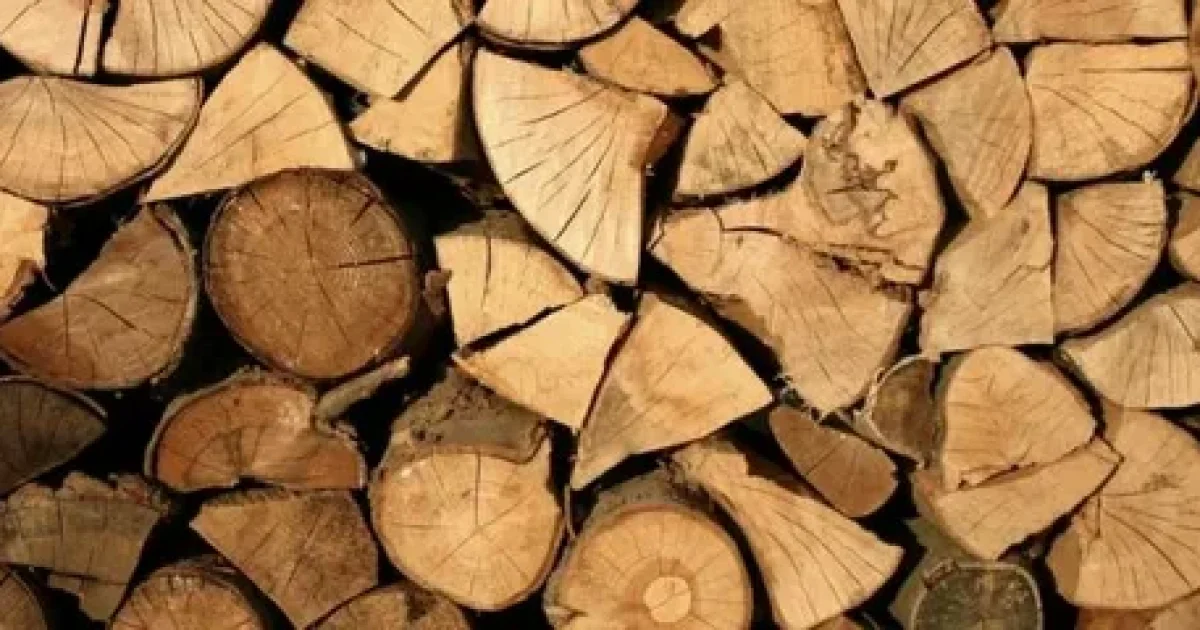
When winter arrives in New Zealand, nothing feels better than a warm, steady fire. But the quality of your fire depends heavily on the wood you burn. If your firewood is damp, green, or poorly stored, it can be hard to light, smoky, inefficient, and frustrating. That is why choosing seasoned firewood in NZ is so important for homeowners who rely on wood burners, fireplaces, or outdoor fires.
Seasoned firewood NZ is wood that has been cut, split, stacked, and dried long enough to reduce its moisture content. In simple terms, it is dry firewood that is much closer to being ready to burn. When delivered locally by a reliable firewood supplier, it saves time, effort, and guesswork.
This guide explains what seasoned firewood means, why it matters, how to identify quality wood, and how to store your firewood properly once it arrives at your home.
What Is Seasoned Firewood?
Seasoned firewood NZ is wood that has gone through a natural drying process after being cut. Freshly cut wood, often called green wood, contains a lot of moisture. Before it can burn well, much of that moisture needs to evaporate.
The seasoning process usually involves splitting the logs and stacking them in a place where air can move freely around the wood. Over time, sun and airflow help dry the timber. The result is firewood that lights more easily, burns hotter, and produces less smoke than freshly cut logs.
In New Zealand, seasoned firewood nz is commonly used for wood burners, open fireplaces, outdoor fire pits, pizza ovens, and rural heating. Whether you use pine, gum, macrocarpa, mānuka, or mixed hardwood, the key factor is dryness. A well-seasoned log will always perform better than a wet one.
Why Dry Firewood Matters in NZ Homes
Dry firewood is not just about convenience. It affects heat output, air quality, running costs, and the overall performance of your wood burner.
Wet or unseasoned wood wastes energy because much of the heat is used to boil off water inside the log. Instead of warming your home efficiently, the fire struggles to reach a clean, hot burn. This can lead to more smoke, more soot, and more frequent flue cleaning.
Seasoned firewood NZ gives you a more reliable fire. It catches faster, burns brighter, and provides better heat for the amount of wood used. For many Kiwi households, this can make a real difference during cold mornings and long winter evenings.
Using dry firewood can also help reduce excessive smoke around your property and neighbourhood. A clean-burning fire is better for your home, your chimney, and the people around you.
How to Tell If Firewood Is Properly Seasoned firewood NZ
Not all firewood for sale is the same. Some wood may look dry on the outside but still hold moisture inside. Before buying or burning logs, it helps to know the signs of seasoned firewood.
Dry Seasoned firewood NZ is usually lighter than green wood. It may have visible cracks at the ends, loose bark, and a duller colour. When you knock two pieces together, seasoned logs often make a clear, hollow sound. Damp wood usually sounds heavier and dull.
Another helpful sign is smell. Freshly cut wood often has a strong, sappy smell, while seasoned wood has a milder scent. The surface may feel dry and rough rather than cool or moist.
For the most accurate check, use a moisture meter. This small tool measures the moisture level inside the wood and gives you a better idea of whether it is ready to burn. Many households that use firewood regularly find a moisture meter useful, especially when buying in bulk.
Seasoned Firewood NZ vs Green Firewood
Green firewood is freshly cut timber that has not had enough time to dry. It is often cheaper to buy, especially during warmer months, but it usually needs months of storage before it is suitable for burning.
Seasoned firewood costs more because the drying process takes time, space, and handling. However, it offers better value when you need wood that is closer to ready for winter use. You are paying for convenience, performance, and reduced drying time.
Green wood can still be a good option if you are planning ahead. For example, buying green firewood in spring or summer and stacking it properly may give it time to dry before the following winter. But if you need firewood now, seasoned or dry firewood is the smarter choice.
Best Types of Firewood in New Zealand
New Zealand has a variety of Seasoned firewood NZ options, and each type burns a little differently. The best choice depends on your heating needs, budget, and local availability.
Pine Seasoned firewood NZ
Pine is a popular softwood because it is usually affordable, easy to light, and widely available. It burns quickly and produces good heat when dry. Many people use pine as kindling or mix it with slower-burning hardwood.
Macrocarpa Seasoned firewood NZ
Macrocarpa is another common option in NZ. It can provide steady heat when properly seasoned and is often used in home fireplaces and wood burners. Like all firewood, it must be well dried before burning.
Gum-seasoned firewood NZ
Gum is a dense hardwood that can burn hot and long. Because it is harder and heavier, it generally takes longer to season than softwoods. When dry, gum firewood is a strong option for overnight warmth or longer burn times.
Mānuka Seasoned firewood NZ
Mānuka is valued for its high heat output and long burn. It is often considered premium firewood and may cost more than other options. It is a good choice for people who want strong, lasting heat from their wood burner.
Mixed Firewood
Mixed firewood can be a practical choice for many households. A good mix may include faster-lighting softwood and longer-burning hardwood. This gives you flexibility for starting fires and maintaining heat.
Why Local Firewood Delivery Makes Life Easier
Ordering dry firewood delivered locally saves time and effort. Instead of collecting, loading, and transporting heavy wood yourself, a local firewood supplier can bring it directly to your home, farm, batch, or rental property.
Local firewood delivery is especially helpful before winter, when demand increases and supply can become limited. Ordering early gives you more choice and allows time to stack and store the wood properly.
A local supplier also understands your area’s conditions. Firewood needs can vary depending on climate, property type, elevation, and how often you use your wood burner. A good supplier can recommend suitable wood types and quantities based on your household needs.
When choosing a delivery service, ask whether the wood is seasoned, semi-seasoned, or green. Also check the load size, delivery area, stacking options, and whether the firewood is split to a practical size for your burner.
How Much Firewood Do You Need?
The amount of firewood you need depends on how often you use your fire. A household that burns wood every evening through winter will need much more than someone who lights the fire only on weekends.
Your wood burner size also matters. Large burners can take bigger logs and may use more wood, while smaller burners need shorter, well-split pieces. Insulation, home size, and local weather all affect how much heat you need.
As a general rule, it is better to plan ahead rather than wait until the coldest part of the year. Firewood demand usually rises in autumn and winter, and dry firewood can sell quickly. Buying early also gives you time to store the wood correctly before heavy use begins.
How to Store Firewood After Delivery
Good storage is just as important as buying quality wood. Even seasoned firewood NZ can absorb moisture again if it is left uncovered or stacked directly on damp ground.
Choose a dry, airy spot with good airflow. Keep the wood raised off the ground using pallets, rails, bricks, or a purpose-built firewood rack. This helps prevent moisture from moving up into the logs.
Cover the top of the stack to protect it from rain, but leave the sides open so air can circulate. Fully wrapping the pile in plastic may trap moisture and slow the drying process. A simple roof, tarp, or corrugated cover over the top is often enough.
Stack the wood loosely rather than packing it too tightly. Small gaps help air move through the pile and keep the logs dry. Place older wood at the front so you use it first, and keep newer deliveries separate when possible.
Common Mistakes to Avoid When Buying Firewood
One common mistake is waiting too long to order. Many people start looking for firewood only when temperatures drop, but by then the best dry stock may already be sold. Ordering early gives you better options.
Another mistake is buying only on price. Cheap firewood may seem like a good deal, but if it is wet or poorly cut, it can be harder to burn and may give less usable heat. Quality matters more than price alone.
It is also important to check the wood size. Logs that are too large for your burner are inconvenient and may need extra splitting. Ask your supplier whether the firewood is cut to standard burner size.
Finally, avoid assuming that all “seasoned” wood is fully dry. Ask questions. A trustworthy firewood supplier should be clear about the type of wood, how dry it is, and whether it is ready to burn now or better suited for future use.
Benefits of Buying Seasoned Firewood NZ Locally
Buying locally supports NZ businesses and often means faster delivery. It can also reduce transport distance, which is helpful when ordering heavy bulk loads.
Local suppliers may offer better advice about what works well in your region. For example, homes in colder inland areas may need denser firewood for longer heat, while coastal areas may need extra care with storage due to damp air.
A good local firewood supplier can also provide repeat deliveries, seasonal reminders, and consistent wood quality. Once you find a reliable source, preparing for winter becomes much easier year after year.
When Is the Best Time to Buy Firewood in NZ?
The best time to buy firewood is usually before winter. Spring and summer are ideal if you are buying green or semi-seasoned wood to dry yourself. Late summer and autumn are good times to secure seasoned firewood before demand peaks.
Buying early also gives you time to stack your wood properly. Even if the firewood is already seasoned, good storage helps keep it dry and ready for cold weather.
If you wait until winter, you may still find firewood available, but choices can be limited. Prices may also be higher, and delivery times may be longer. Planning ahead is the best way to make sure you have warm, dry firewood when you need it most.
Final Thoughts
Seasoned firewood NZ is one of the simplest ways to get better heat from your wood burner or fireplace. It lights more easily, burns more efficiently, and helps create a warmer, more comfortable home.
Whether you are buying pine, gum, macrocarpa, mānuka, or mixed firewood, the most important thing is choosing dry, well-prepared logs from a reliable local supplier. Once delivered, stack your firewood off the ground, keep the top covered, and allow plenty of airflow.
For Kiwi households preparing for winter, dry firewood delivered locally is more than a convenience. It is a smart way to stay warm, reduce hassle, and get the best value from every log.
FAQs About Seasoned Firewood NZ
What does seasoned firewood NZ mean?
Seasoned firewood is wood that has been cut, split, and dried over time so it contains less moisture and burns more efficiently than freshly cut green wood.
Is seasoned firewood ready to burn?
Seasoned firewood is usually closer to ready to burn, but dryness can vary. For best results, check that the wood feels dry, sounds hollow when tapped, and has visible cracks at the ends.
What is the best firewood for NZ homes?
Popular options include pine, macrocarpa, gum, mānuka, and mixed firewood. The best choice depends on your burner, budget, and whether you want quick lighting, long burn time, or strong heat output.
How should I store firewood after delivery?
Store firewood off the ground, cover the top, and leave the sides open for airflow. Keep it in a dry, well-ventilated place so it stays ready to burn.
When should I order firewood in New Zealand?
It is best to order before winter. Buying in spring, summer, or early autumn gives you better availability and more time to stack and dry your wood properly.